Wire mesh for industry and architecture | Vomet

We value your privacy.

Our company and our partners store or access information on devices, such as cookies, and process personal data, such as unique identifiers and standard information that the device sends for the purposes described below.

We use cookies mainly to anonymously analyze traffic and improve our websites. If you set your browser to block cookies, some parts of this website may not function properly or the website may slow down.

You can provide consent to the above processing by clicking the “Accept All” button. Or you can refuse to provide it by clicking the “Reject All” button. You can change your preferences by clicking the “Manage Settings” button.

Your preferences will only apply to this website. We do not need your consent for some forms of processing of your personal data.

You can change your preferences at any time by returning to this page or by clicking the “Manage Cookies” link in the footer. You can find more information about cookie processing on this page.

Wire mesh

Durable and versatile

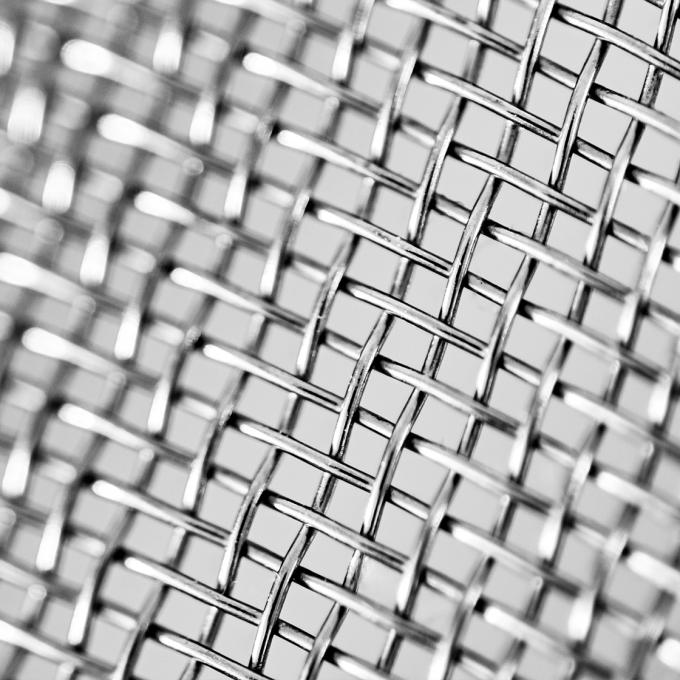
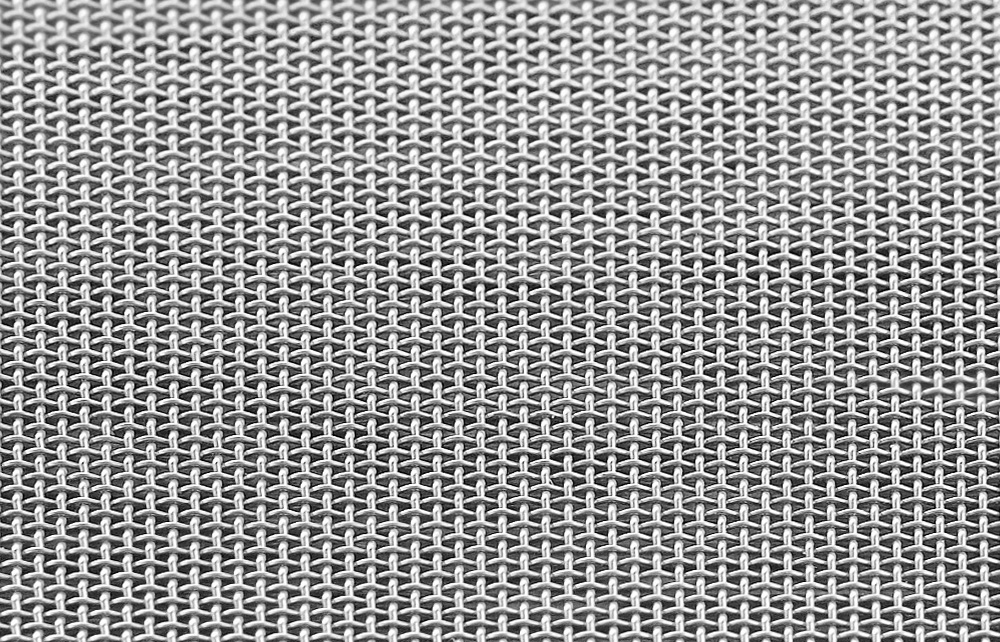
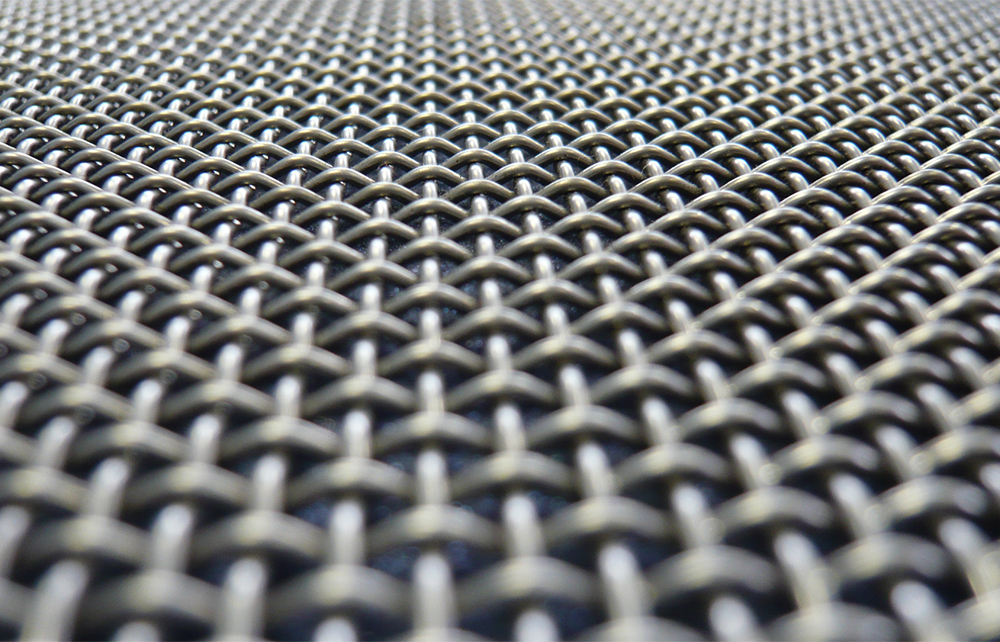
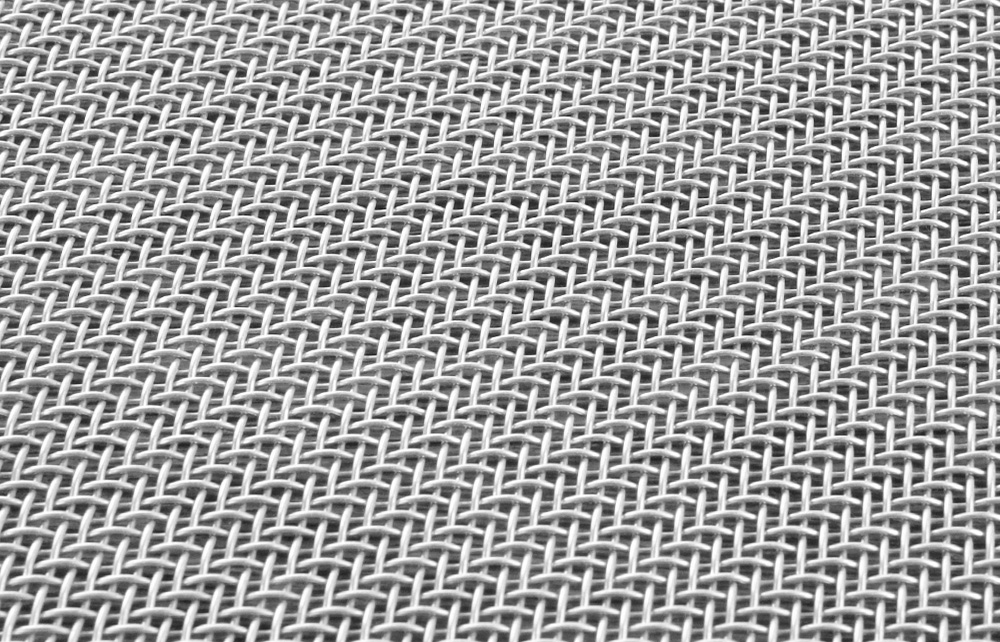
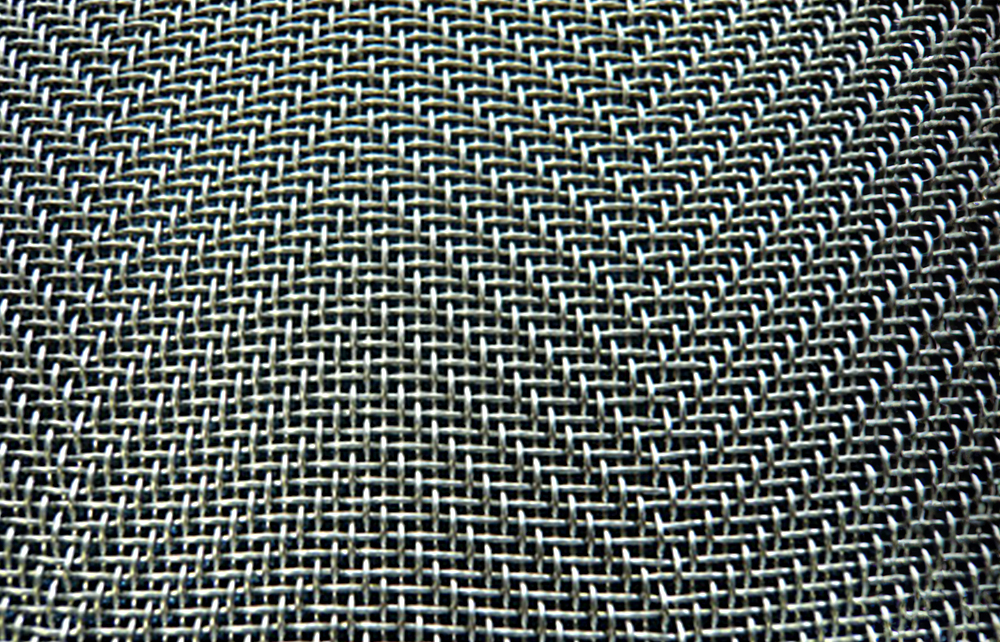
Wire mesh are fine meshes that resemble tissue in their final design.

Wire mesh have many uses in various industrial sectors (chemical, food, glass, construction) such as sorting and filtering screens, single or multi-layer filters for processing plastics, protective equipment, reinforcements, supports, etc. Currently, the use of fabrics in architecture is increasingly being promoted.

We supply technical clothes in rolls, usually 1 m wide, or cut to the required size. The roll length is usually 30 m.

Most commonly used materials and designs

(according to DIN ISO)

  1. 1.4301
  2. 1.4401
  3. 1.4404
  4. 1.4541
  5. 1.4841
  6. 1.4310
  7. black steel
  8. galvanized steel
  9. non-ferrous metals


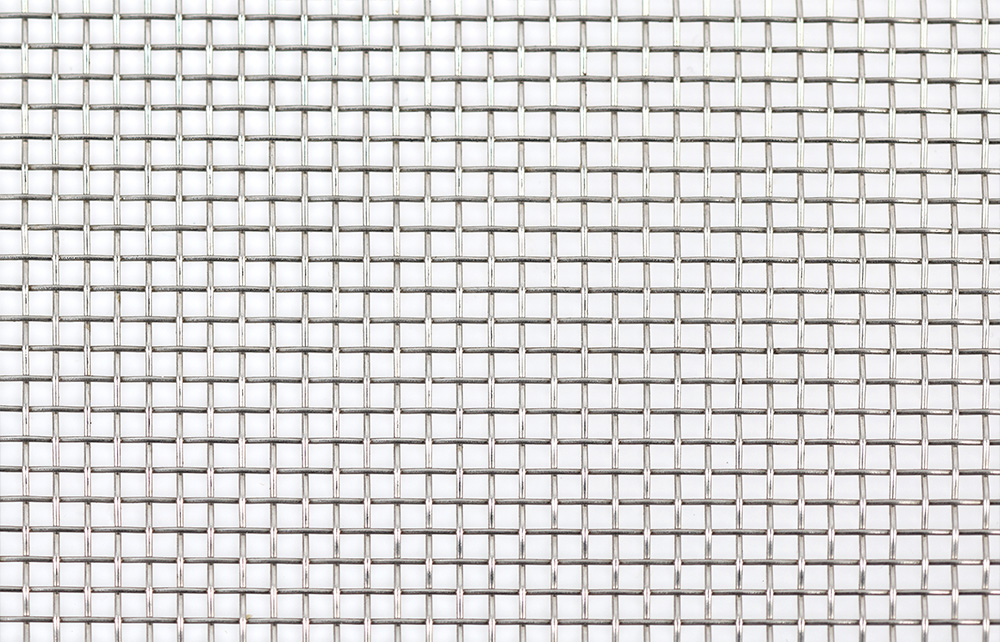
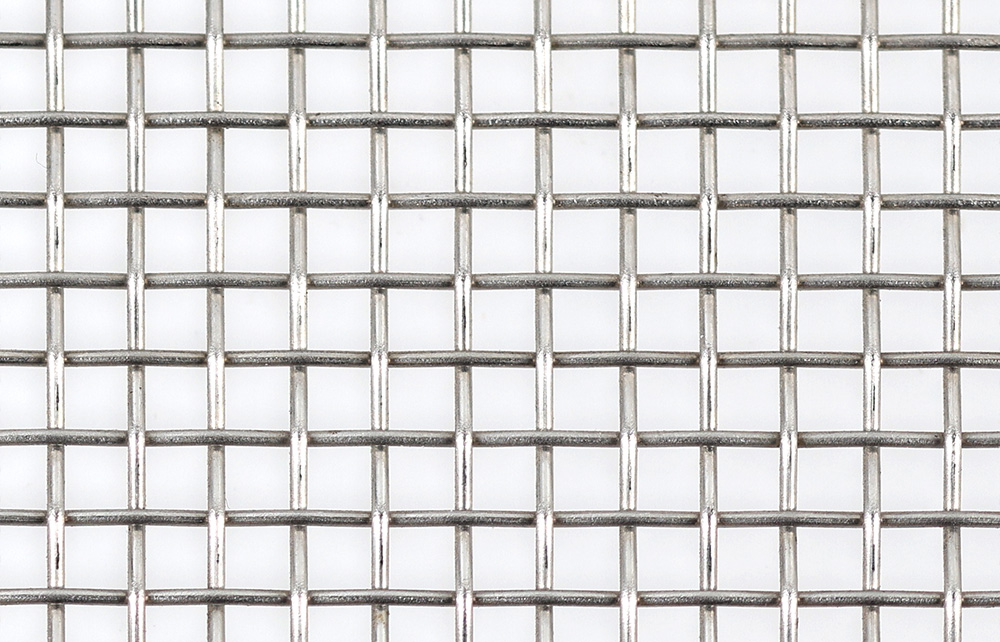
WITH SMOOTH WEAVE

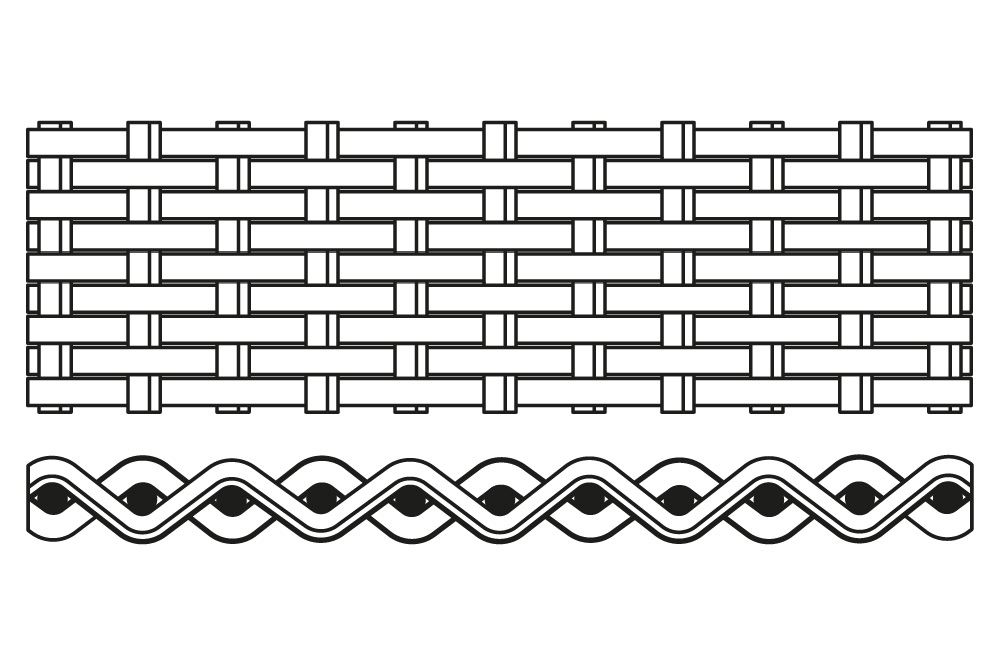
This is the most common weave used to make wire mesh. Each wire is bent in a warp or a weft, and this alternates regularly.

1 / 2

WITH TWILLED WEAVE

Twilled weave

Two wires are bent and then offset by one wire (see figure). This weave is chosen primarily when the wire is too thick in relation to the mesh dimensions, or where the fabric is too fine, so that the wire does not hold when bent in the woven weave.

Pointed or alternated twill

This method of bonding is used where possible transverse displacements must be excluded. Due to the frequently occurring differences in the holes, it is mainly used for the manufacture of various inserts and only very rarely in filters or sieves. (see fig.).

1 / 2

FILTERING

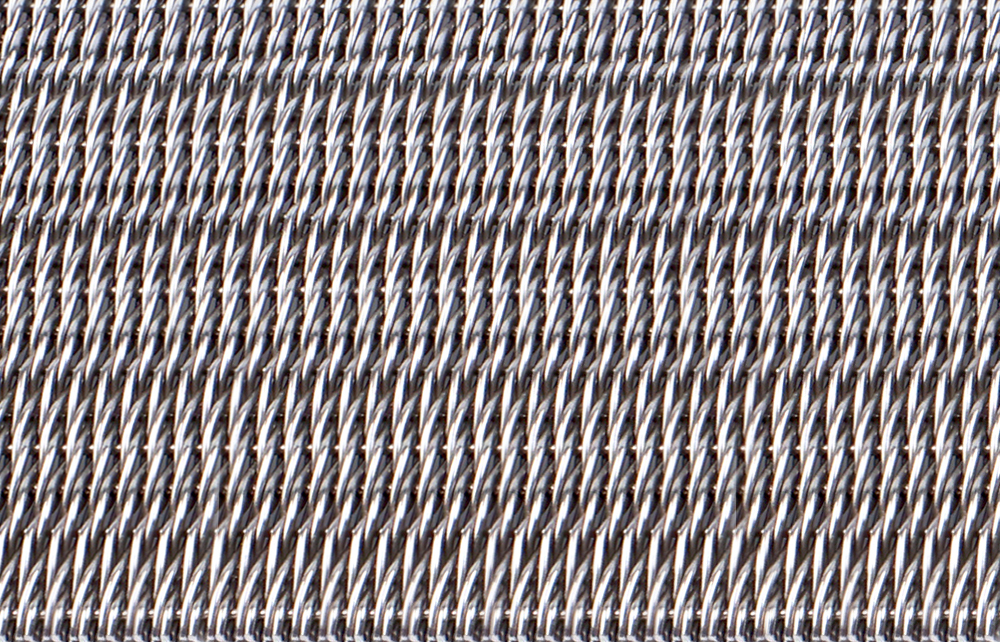
Plain weave

The weft wires are so close together that they create “zero meshes”. The warp wires are stronger than the weft wires. Good flowability, given by the same openings, and easy cleaning are the main advantages of these wire mesh.

Twilled weave (light impervious)

The weft wires in twill weave are placed close together. One weft wire is always above and one wire is below the warp wire. Compared to plain weave, there are twice as many wires (see figure).

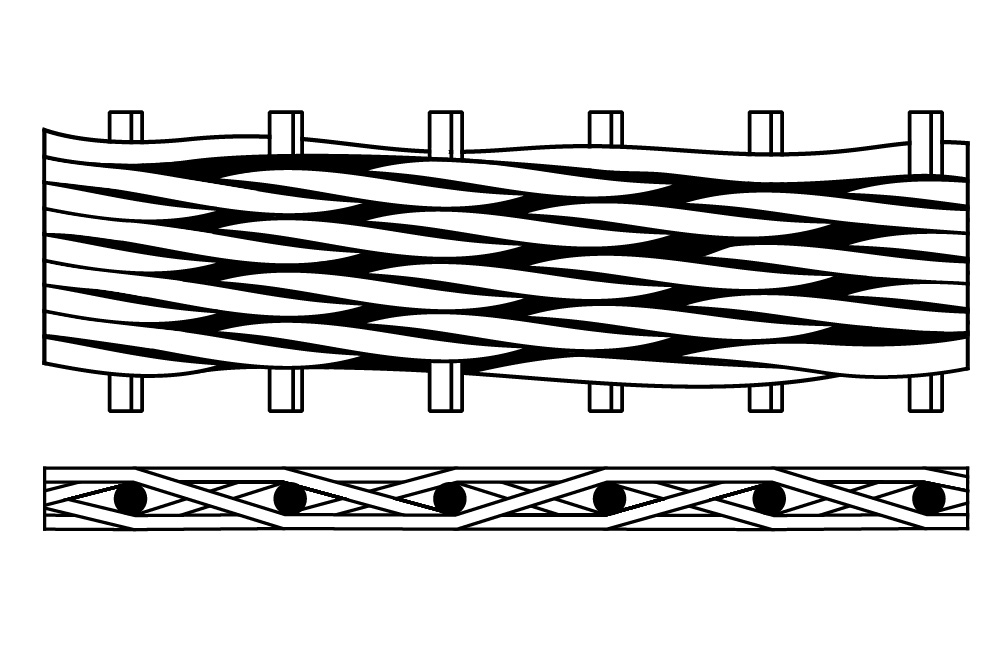
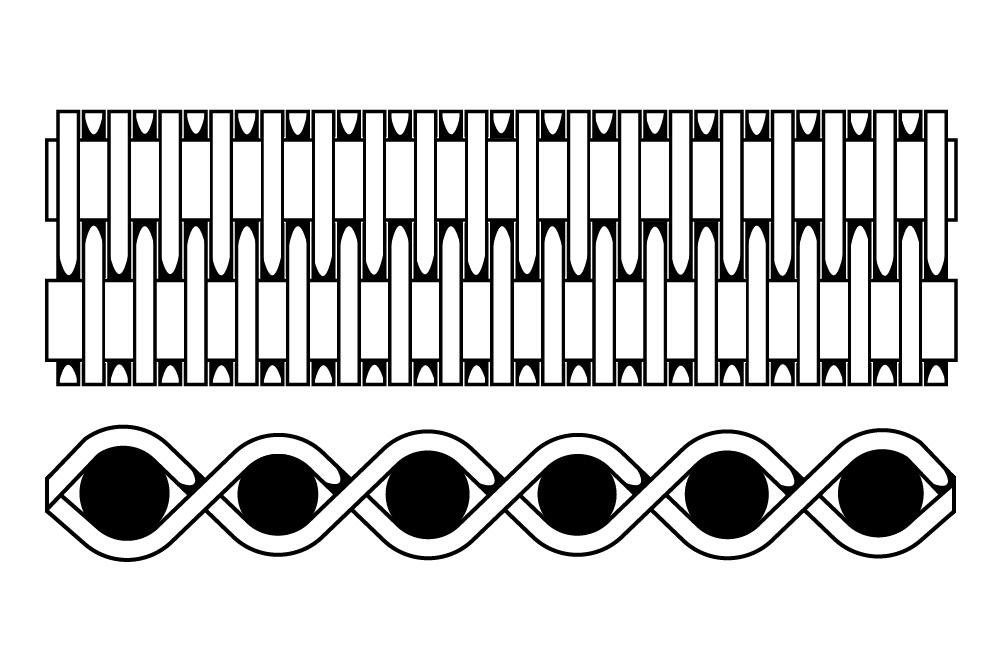
Armored binding, or inverted belt

Unlike woven belts, most of the wires are located in the warp system. The weft wires are therefore significantly stronger than the warp wires. This special construction is characterized by great stability and guarantees good flowability.

Open filtration weave

This wire mesh is made in the same way as conventional belts. The weft wires are not placed so densely next to each other, but at a certain distance, which increases the flow capacity of the wire mesh. The disadvantage is the less regularity of the holes. Open filter cloth is made:

  1. in a smooth weave
  2. in a twilled weave

1 / 2

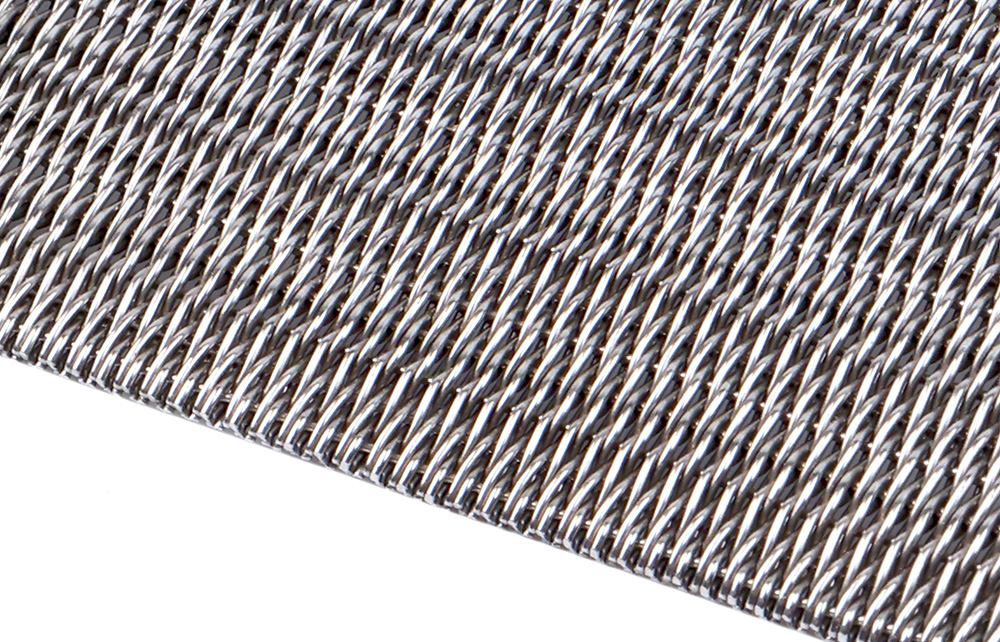
Twilled armour weave

This is a technical cloth where the combination of twill weave and the placement of most wires in the warp allows for use in extremely demanding environments, thanks to its high stability and strength.

1 / 2

Advice and consultations

How to choose the right product?
If you need advice, don't hesitate to ask! We will answer your questions and help you
with every step in the selection of materials and the implementation of projects.

  • we will provide technical information and documentation

  • we will advise on the correct selection and use of materials

  • we will provide a technical solution

  • consultations on the application and suitability of our products

Get in touch with our experts

Leave us a message, we will contact you

Form error icon
Form error icon
Form error icon
Form error icon
Form error icon
Form error icon
}