Wire conveyor belts | VOMET

We value your privacy.

Our company and our partners store or access information on devices, such as cookies, and process personal data, such as unique identifiers and standard information that the device sends for the purposes described below.

We use cookies mainly to anonymously analyze traffic and improve our websites. If you set your browser to block cookies, some parts of this website may not function properly or the website may slow down.

You can provide consent to the above processing by clicking the “Accept All” button. Or you can refuse to provide it by clicking the “Reject All” button. You can change your preferences by clicking the “Manage Settings” button.

Your preferences will only apply to this website. We do not need your consent for some forms of processing of your personal data.

You can change your preferences at any time by returning to this page or by clicking the “Manage Cookies” link in the footer. You can find more information about cookie processing on this page.

Wire conveyor belts

Fast handling, efficient production

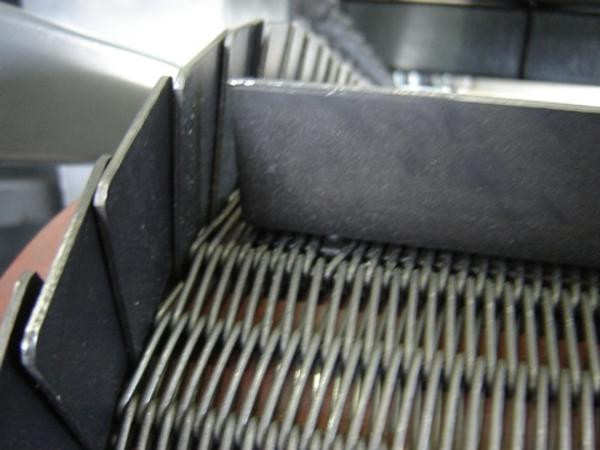
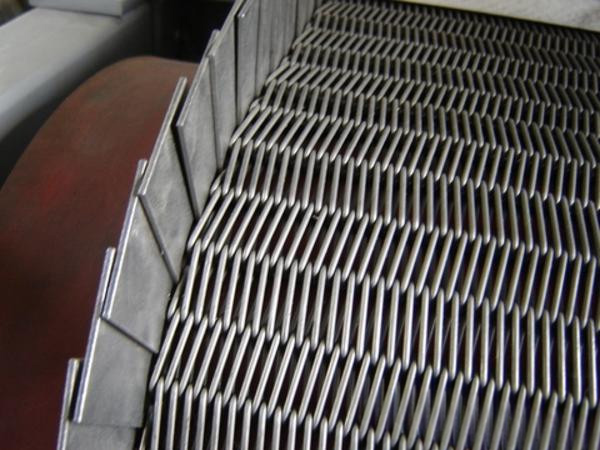
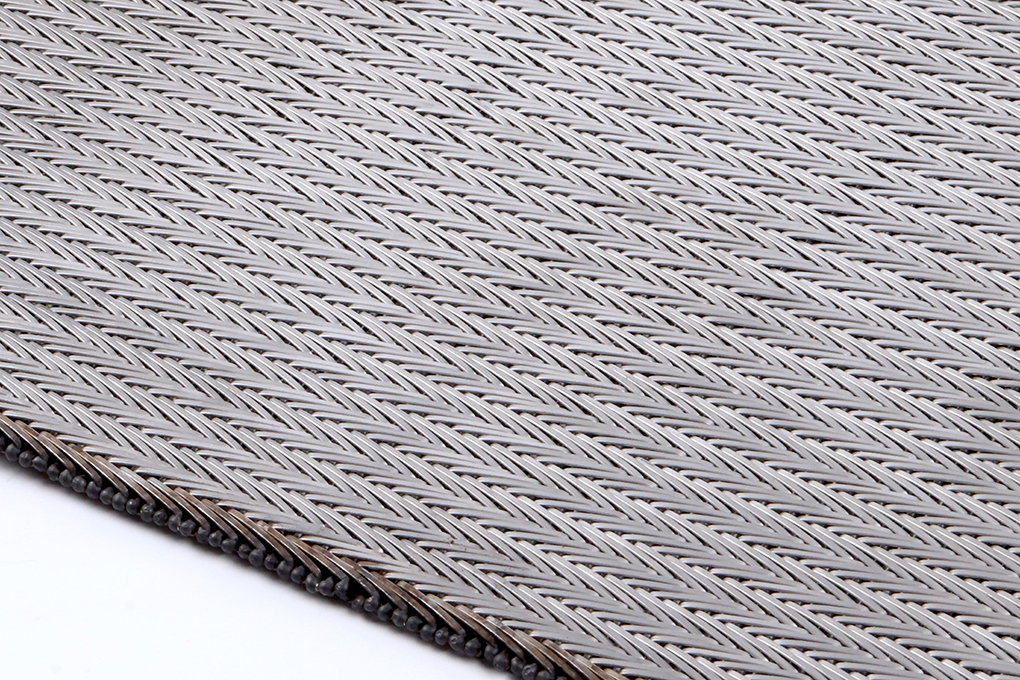
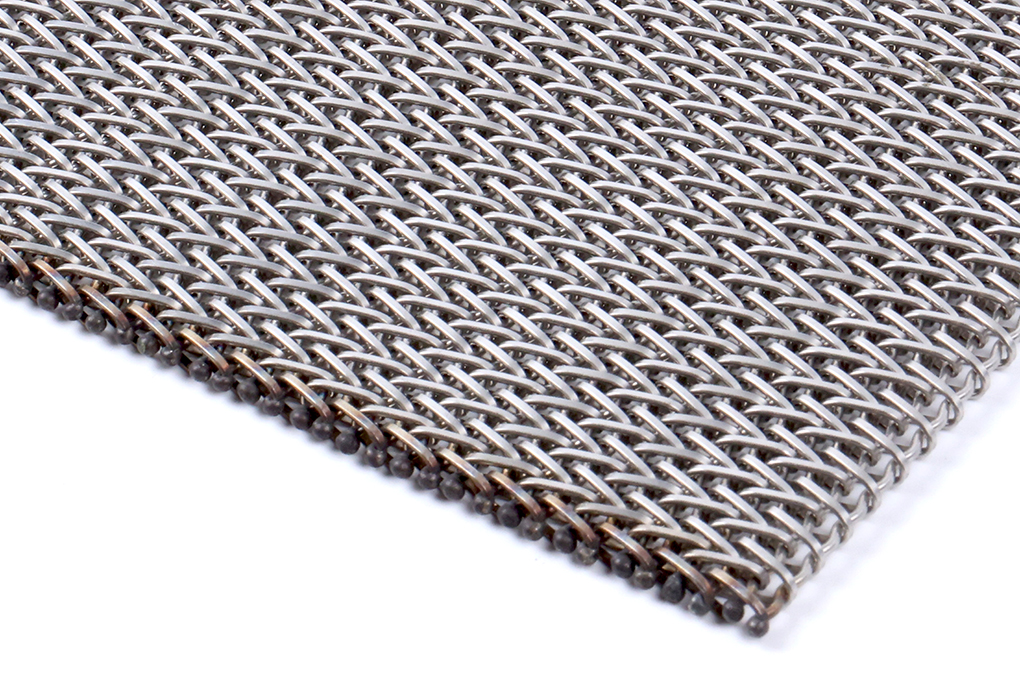
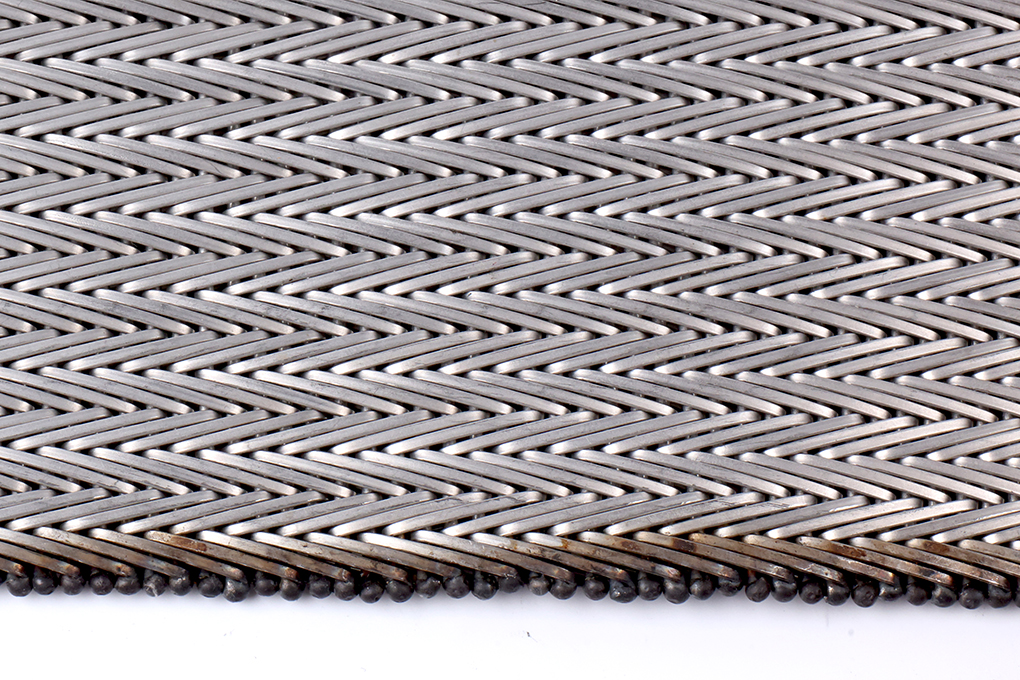
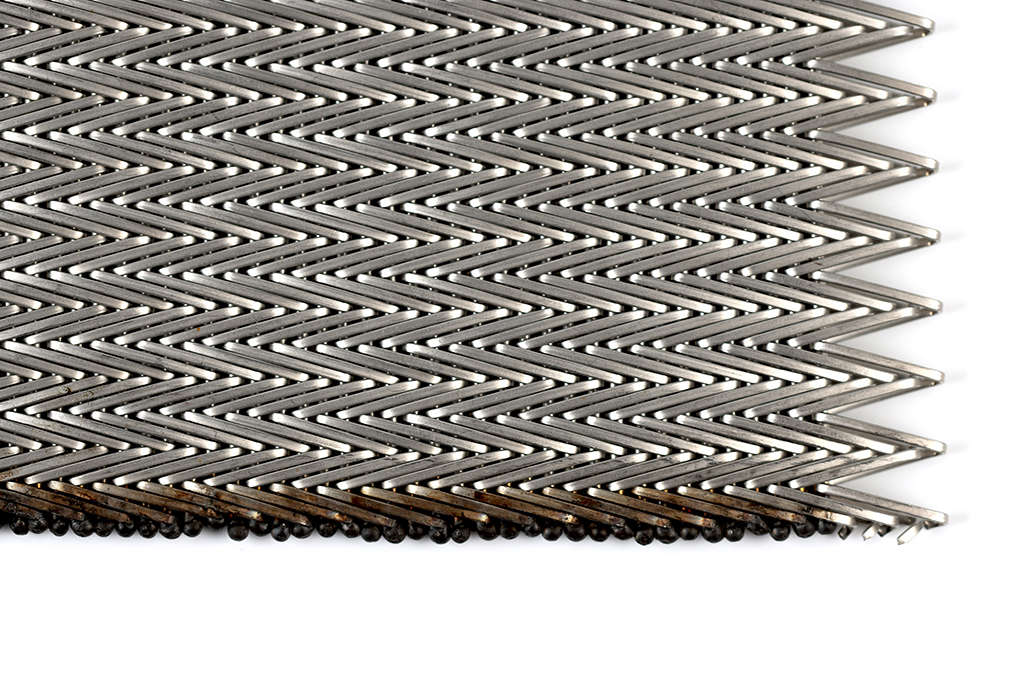
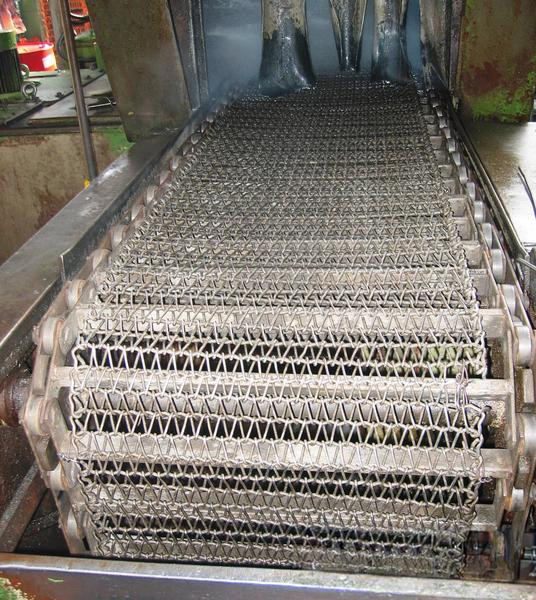
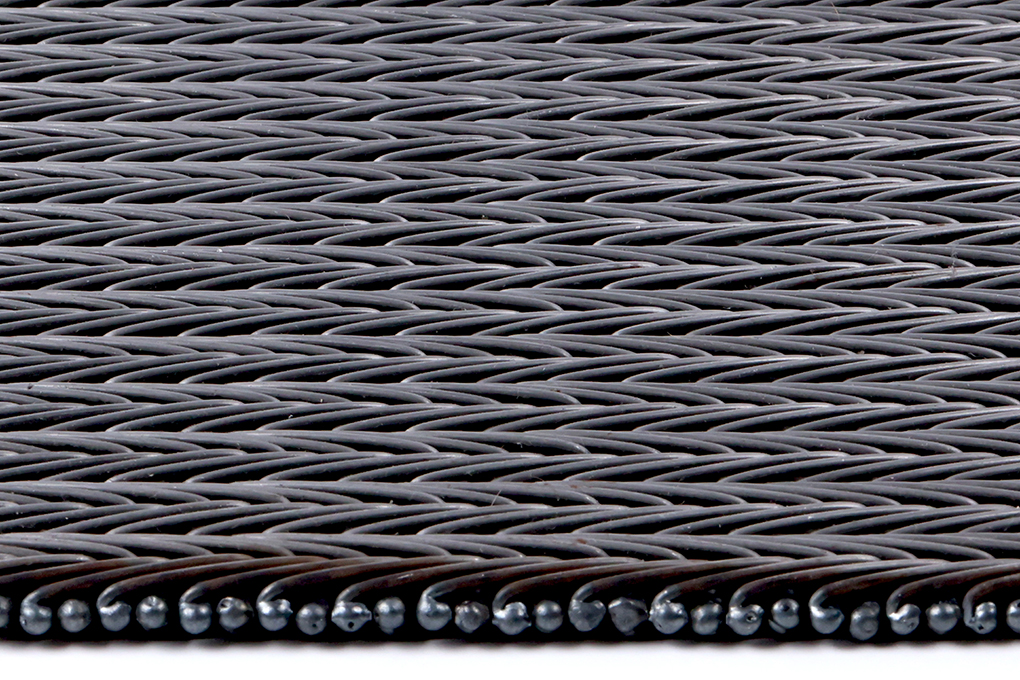
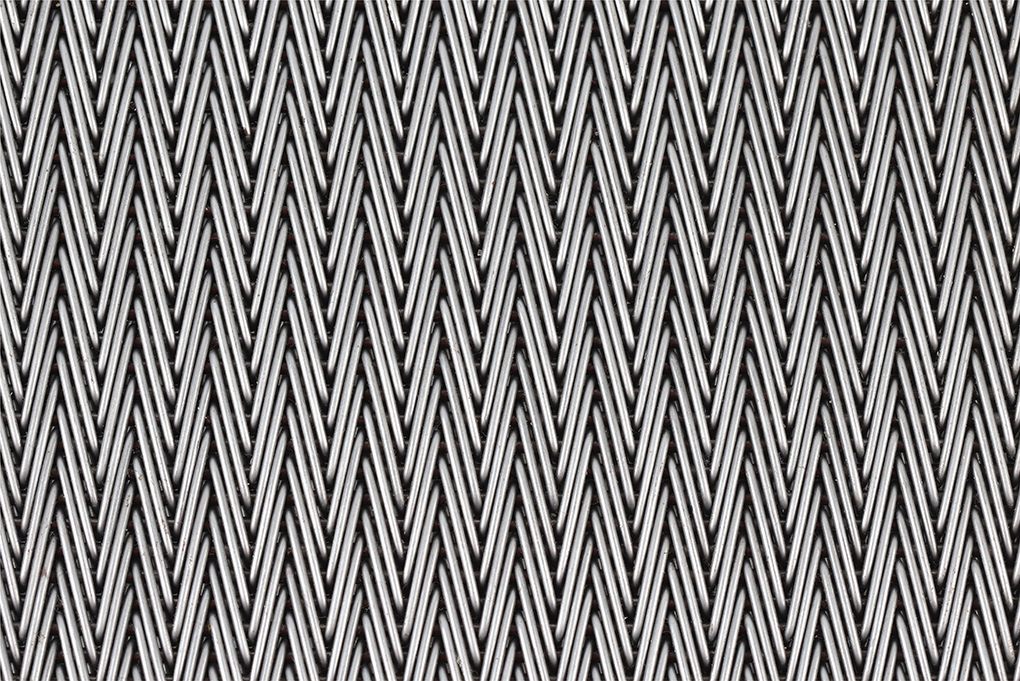
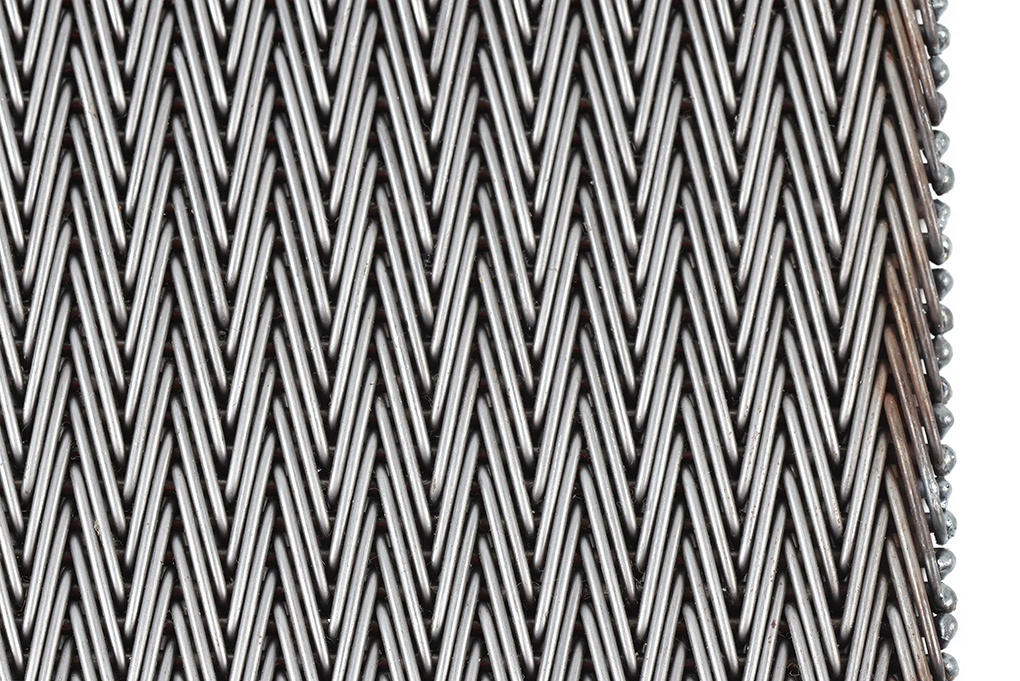
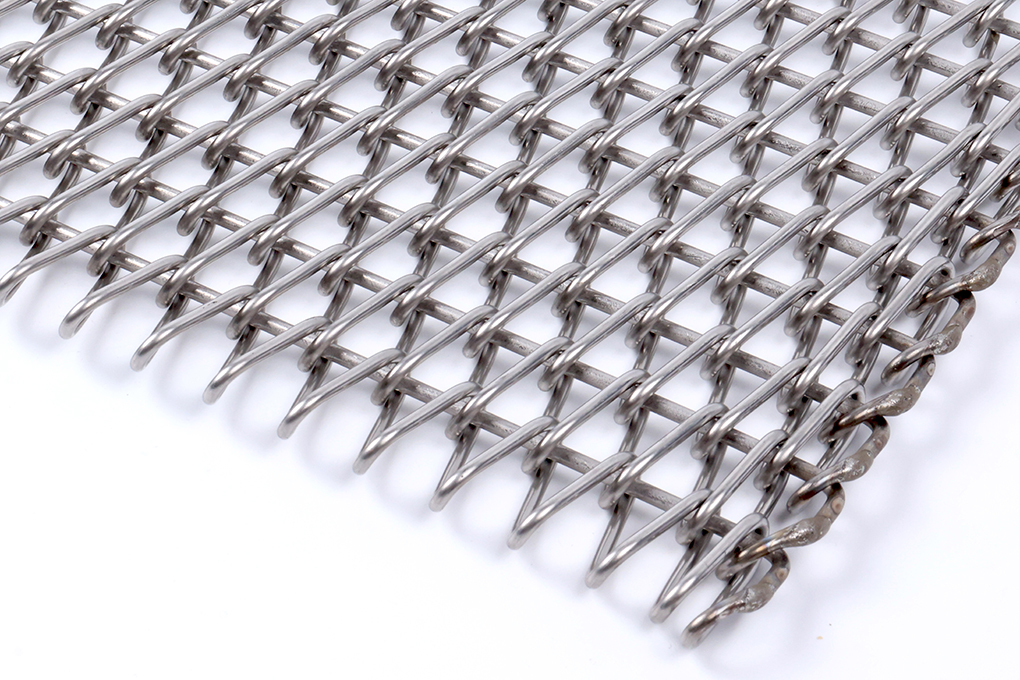
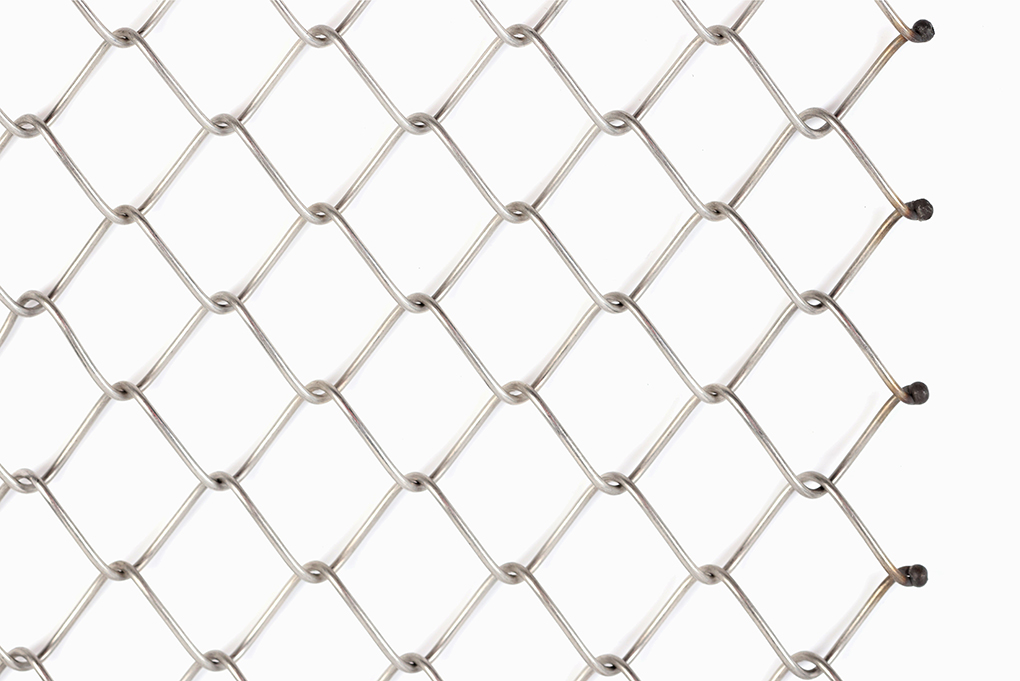
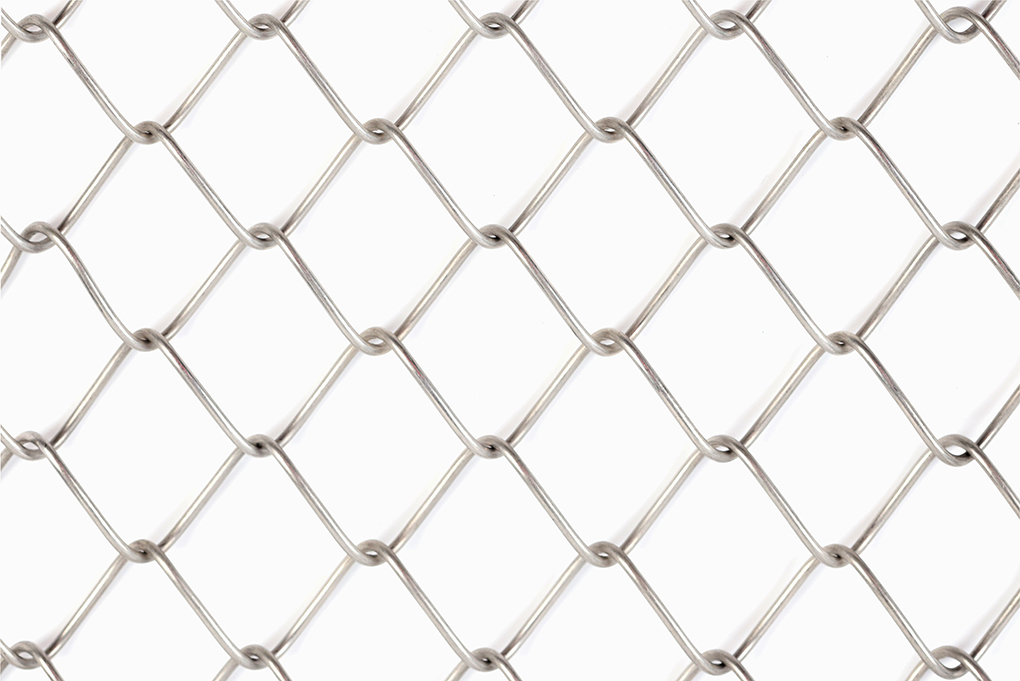
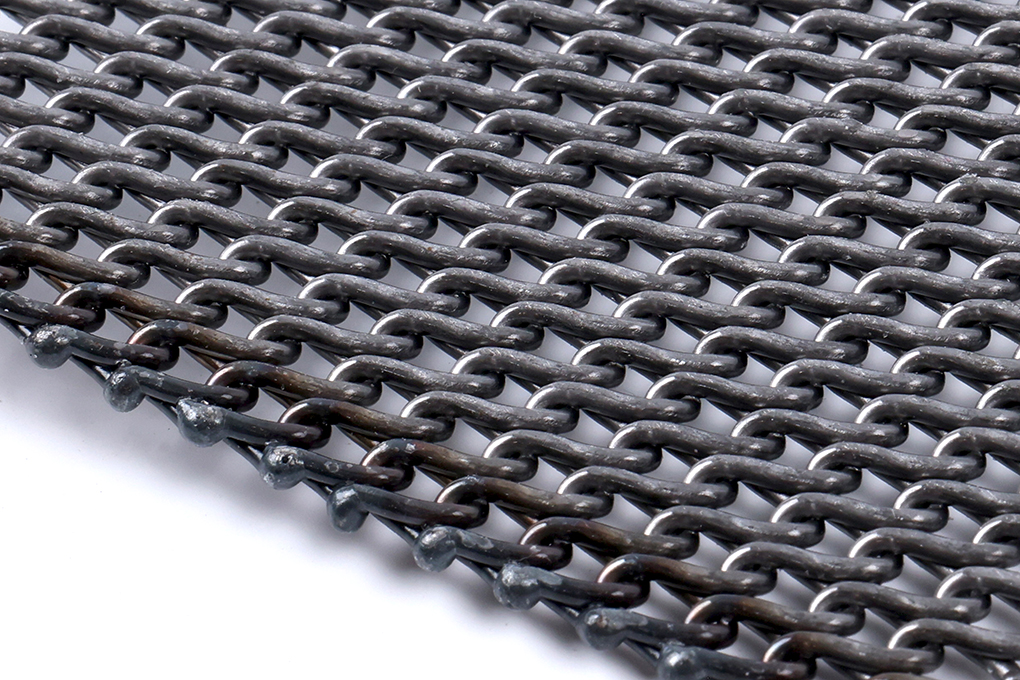
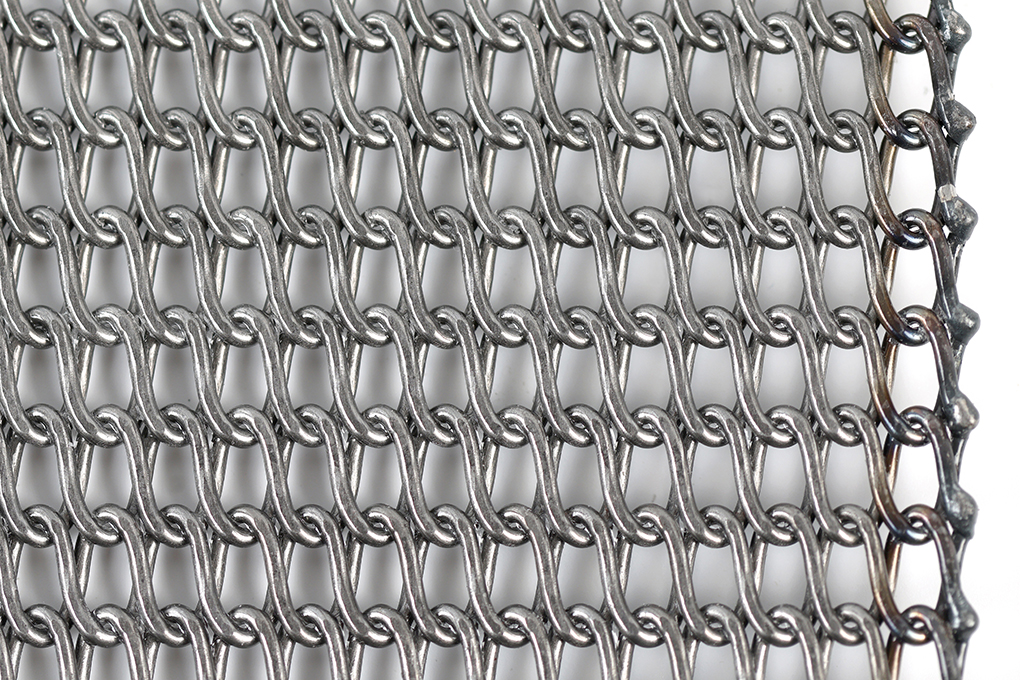
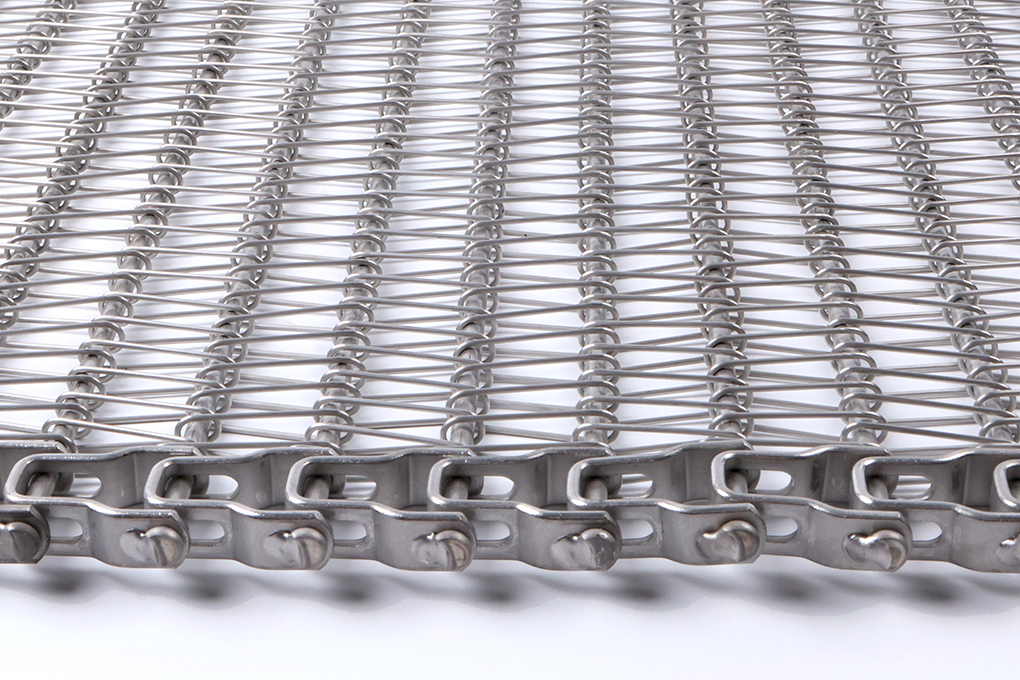
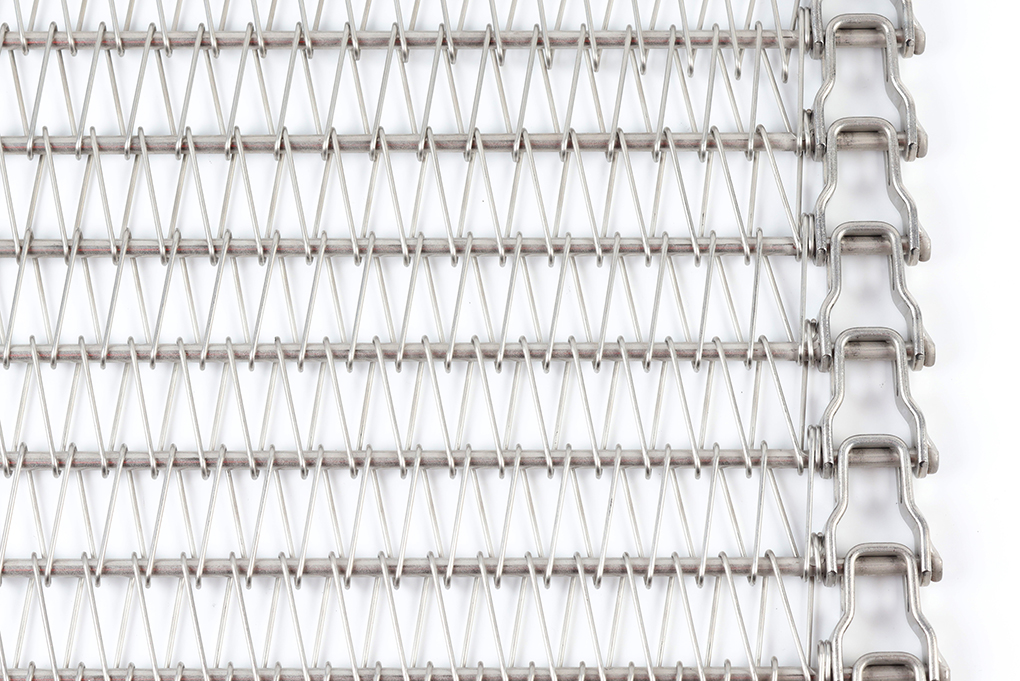
They are used in almost all branches of industry as a means of accelerating transport and handling of products and overall streamlining of production. These belts are often directly part of production equipment and technological units. These are mainly wire belts, but also metal plate belts.

Material options

Belts are made of various materials depending on the purpose of use. The most common materials for their production are bright steel of ordinary quality, galvanically plated steel, stainless steel, or steel resistant to high temperatures and, last but not least, acids. For metal belts, the range of use is for temperatures from - 200 °C to + 1200 °C.
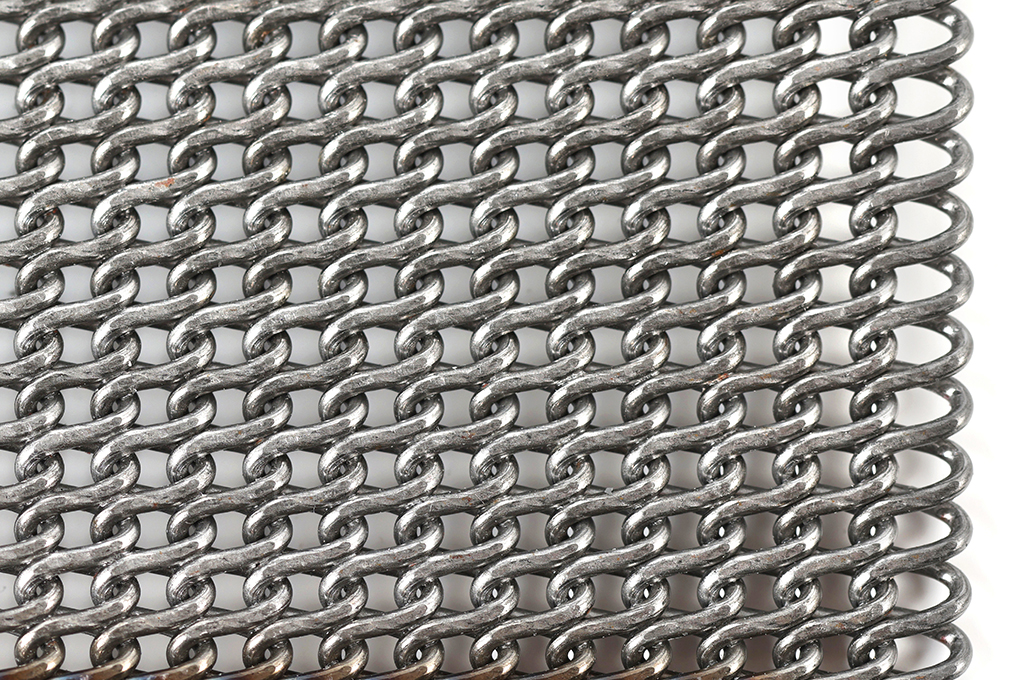
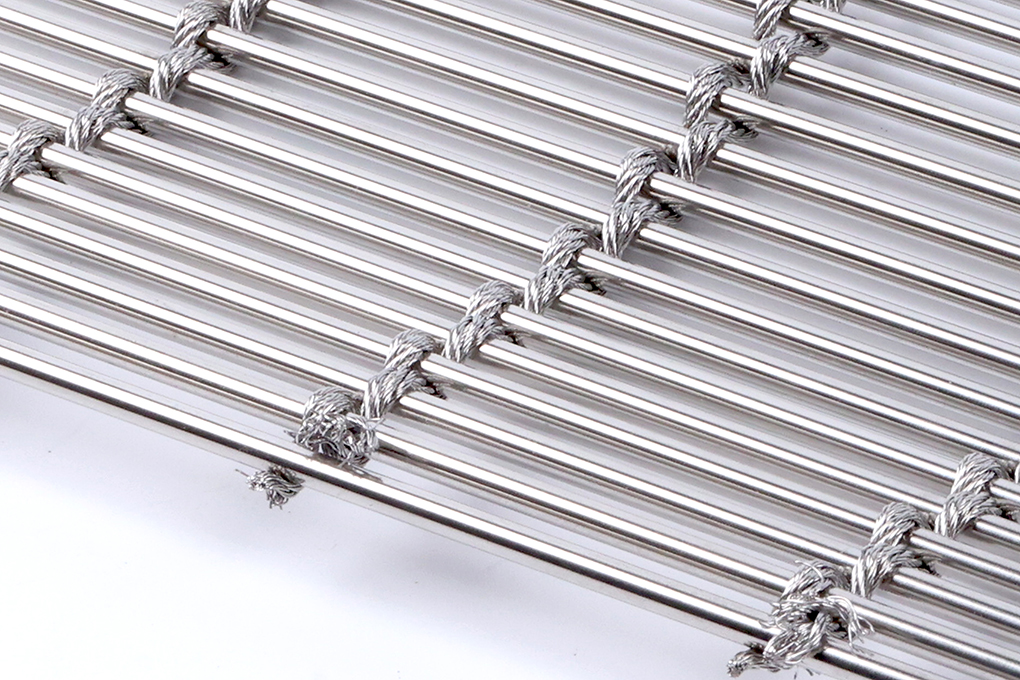
  1. Steel in a shiny finish (black) working temperature does not exceed approx. 350 °C.
  2. Galvanized steel
  3. Stainless steels
  4. Up to approximately 700 °C. The most commonly used material grades are DIN 1.4301.
  5. High temperature resistant steels
Drôtené dopravné pásy

TYPE 100

Characteristics

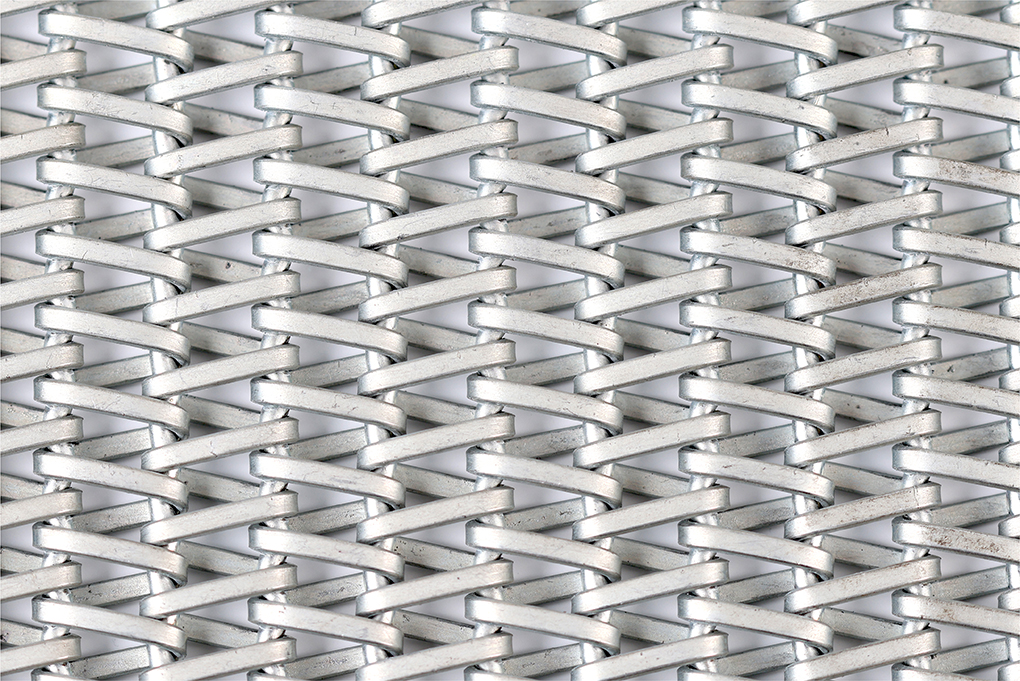
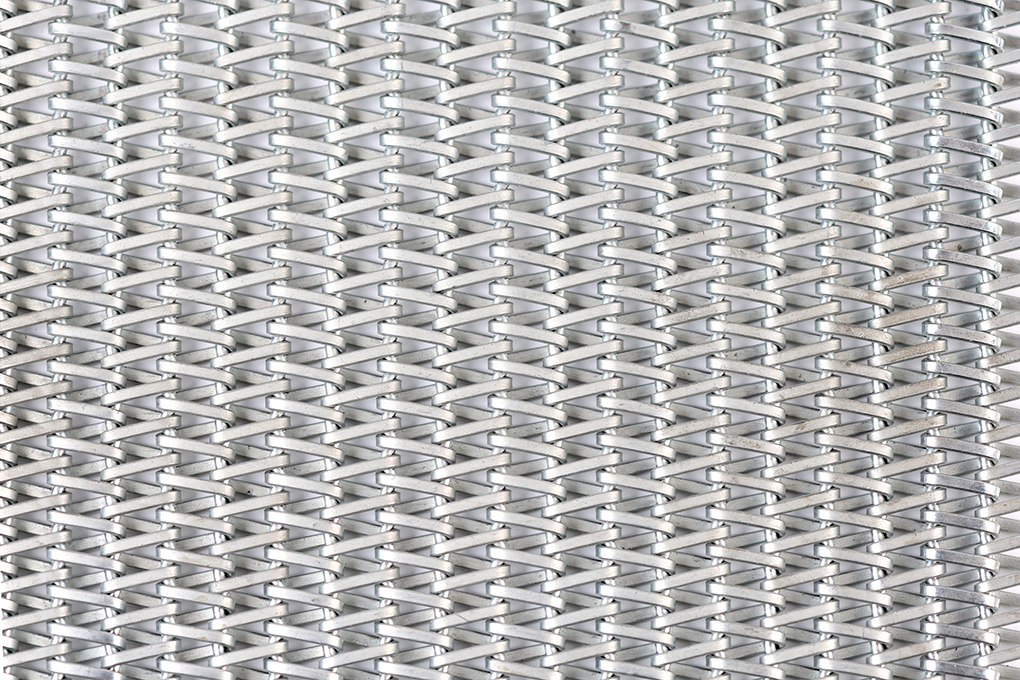
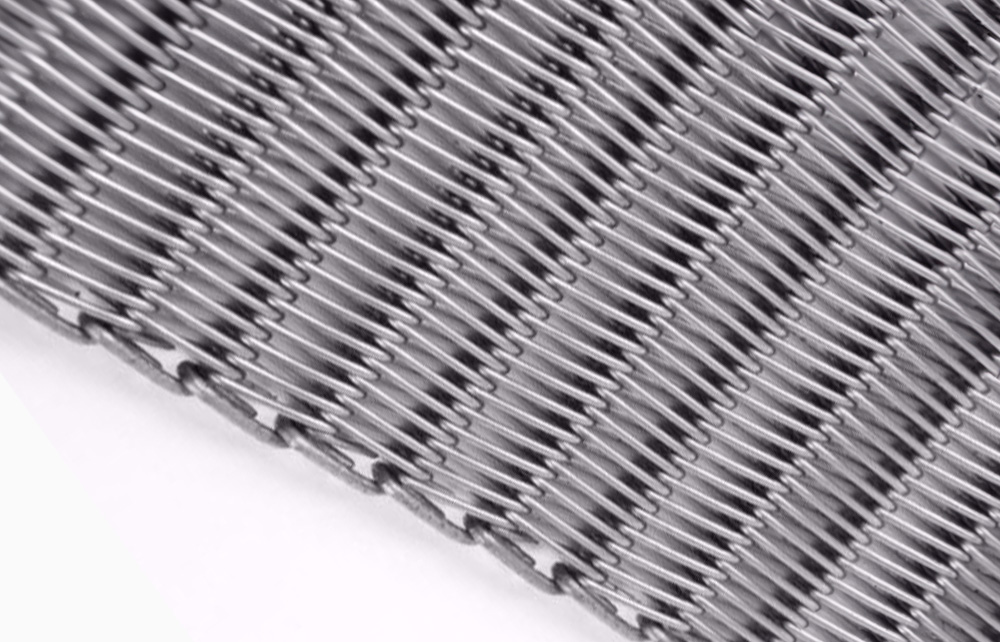
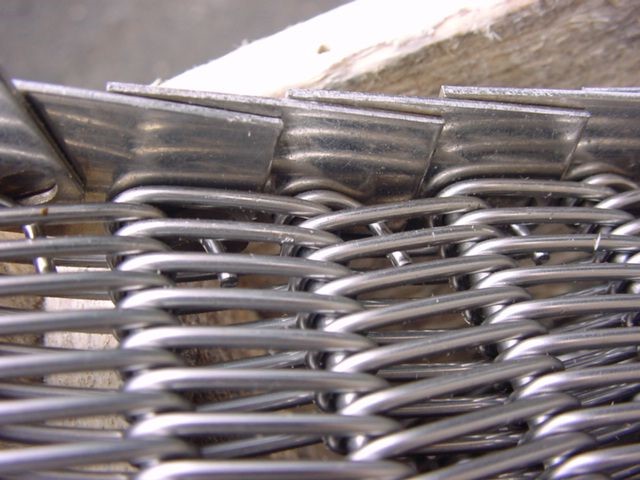
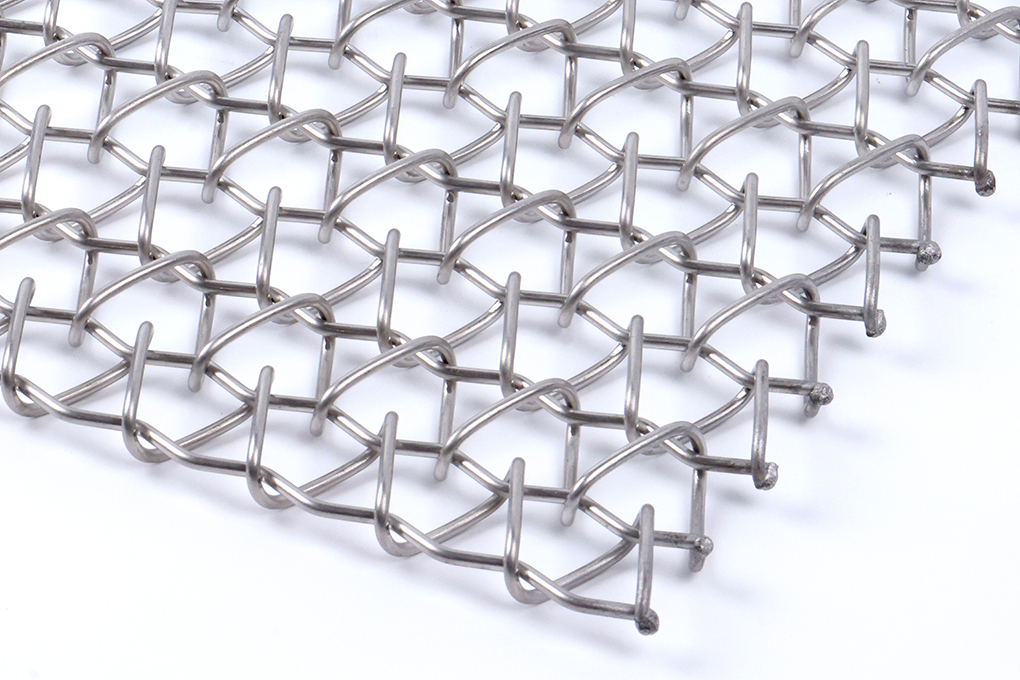
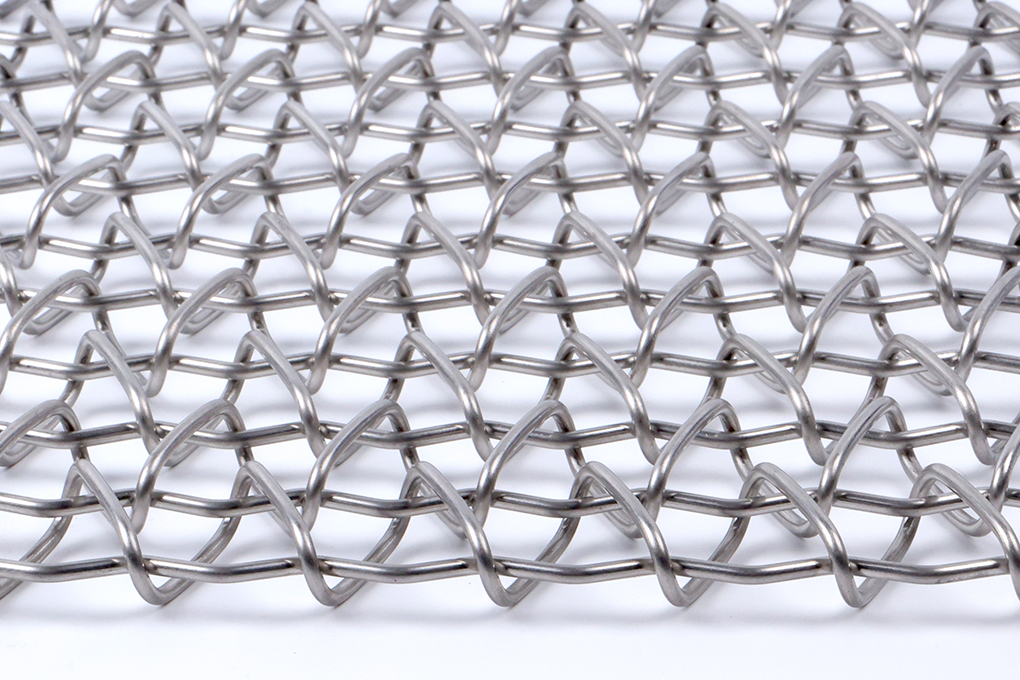
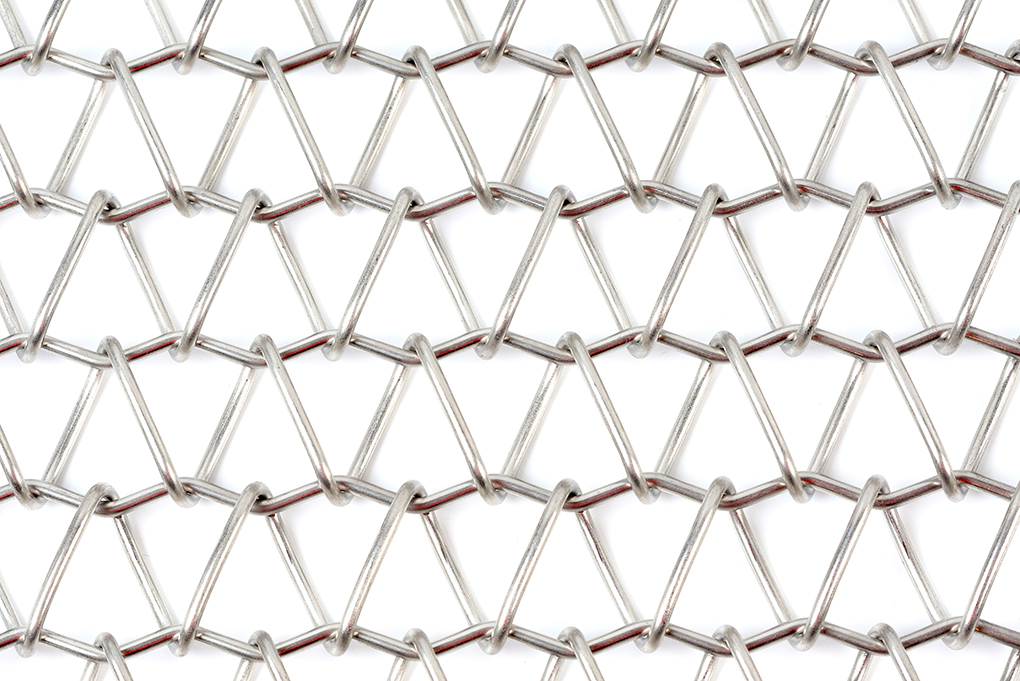
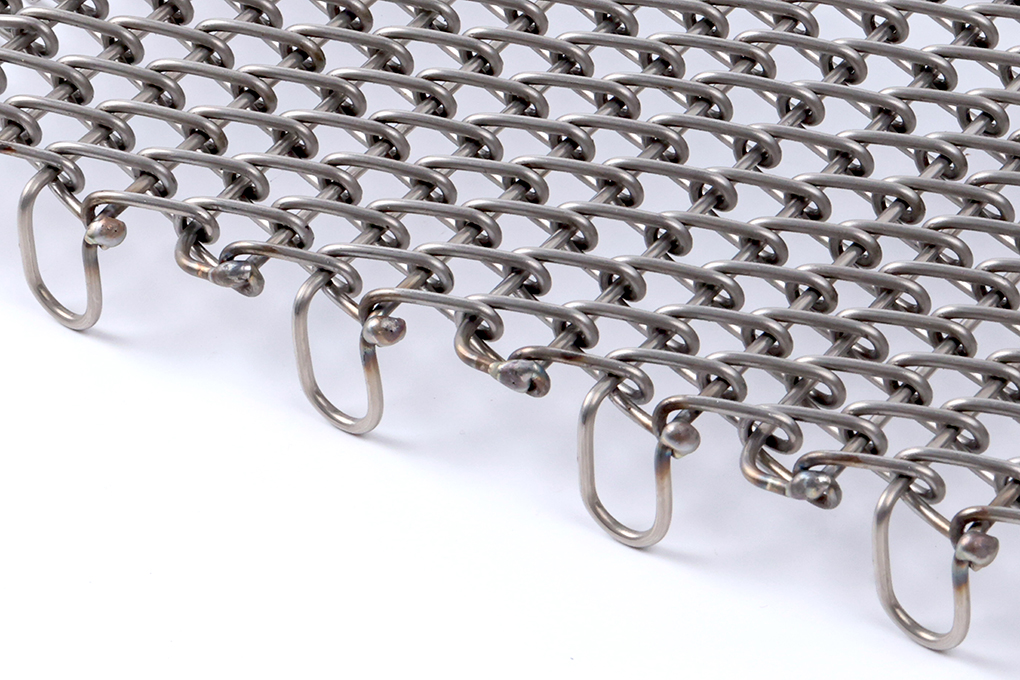
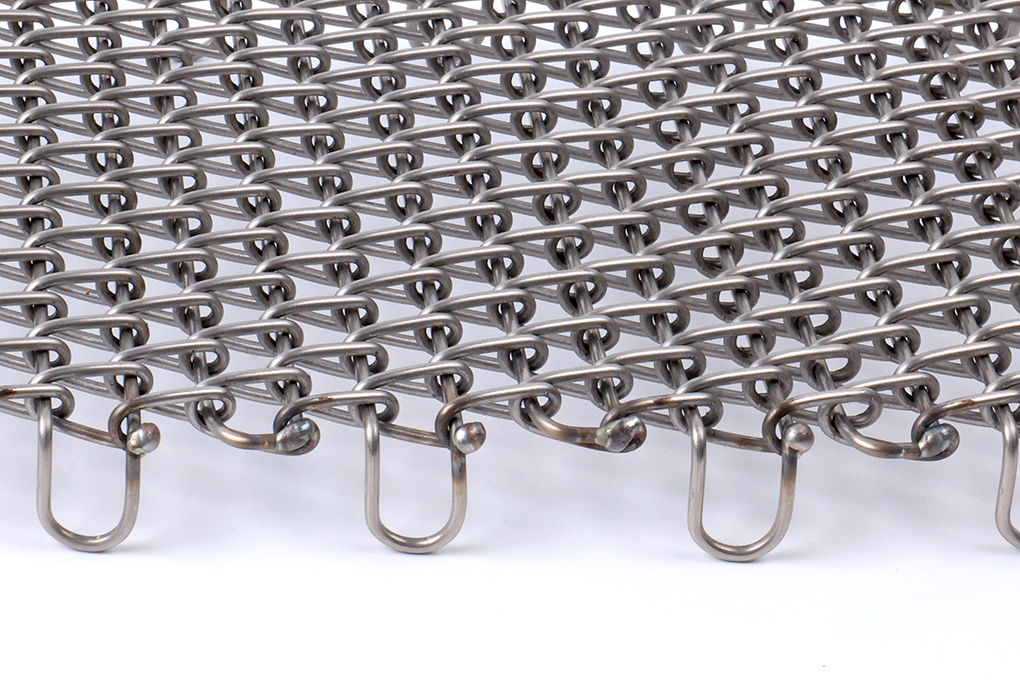
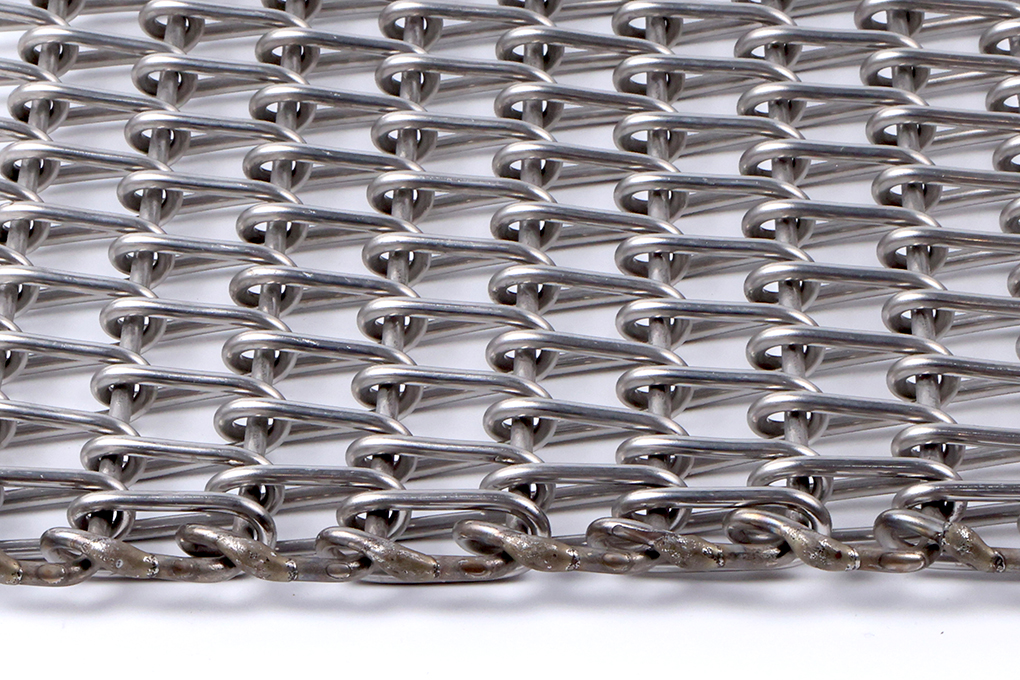
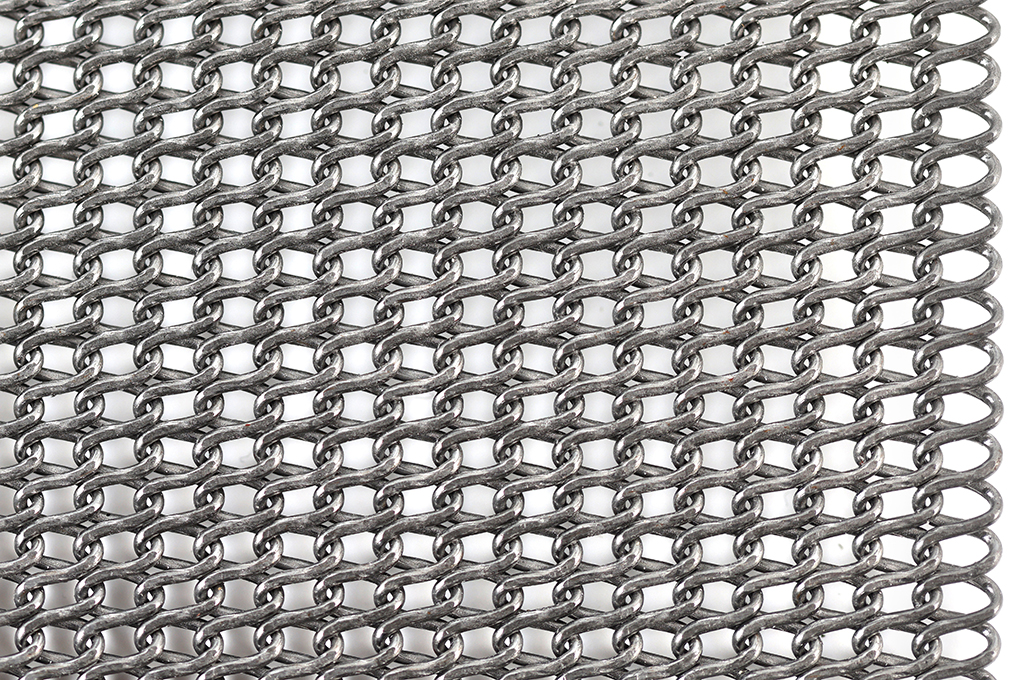
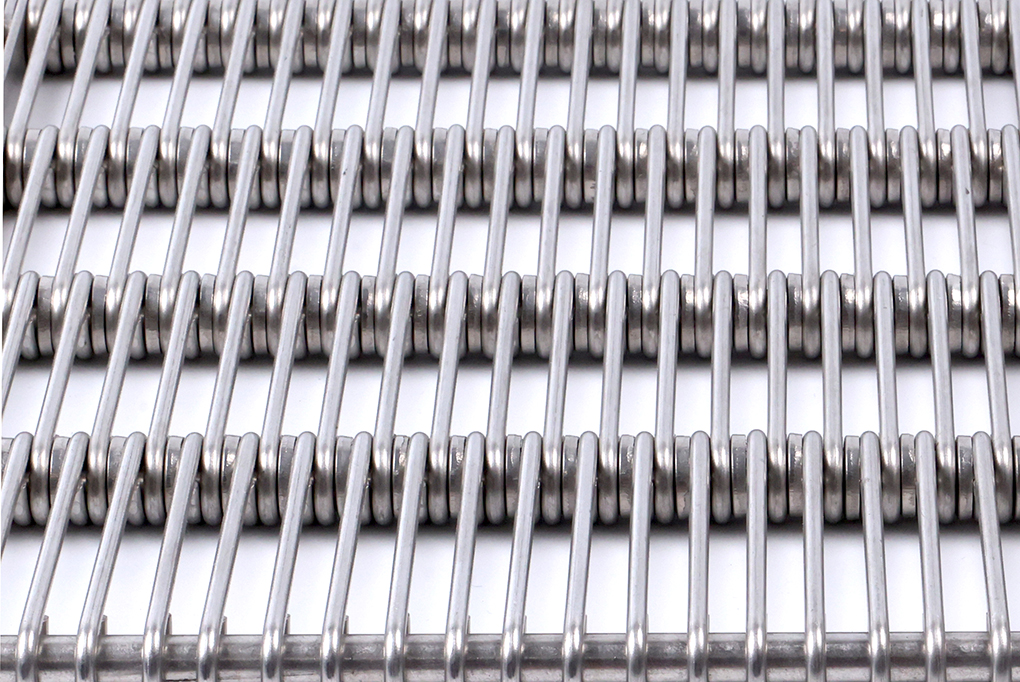
The belt is made of densely wound flat-profile spiral wire. The spirals, wound alternately on the left and right, are interconnected by perpendicular transverse wires. The ends of these transverse wires are either terminated with a loop, or by bending inside the belt, or by welding. The termination method is usually chosen according to the diameter of the transverse wires, with weaker wires by a loop or bending, with stronger wires by welding.

Use

  1. cooling belt in the confectionery and chocolate industry
  2. conveyor belt in the chemical industry
  3. cooling belt for rubber and plastic products, for glass products and hot castings, etc.

TYPE 200

Characteristics

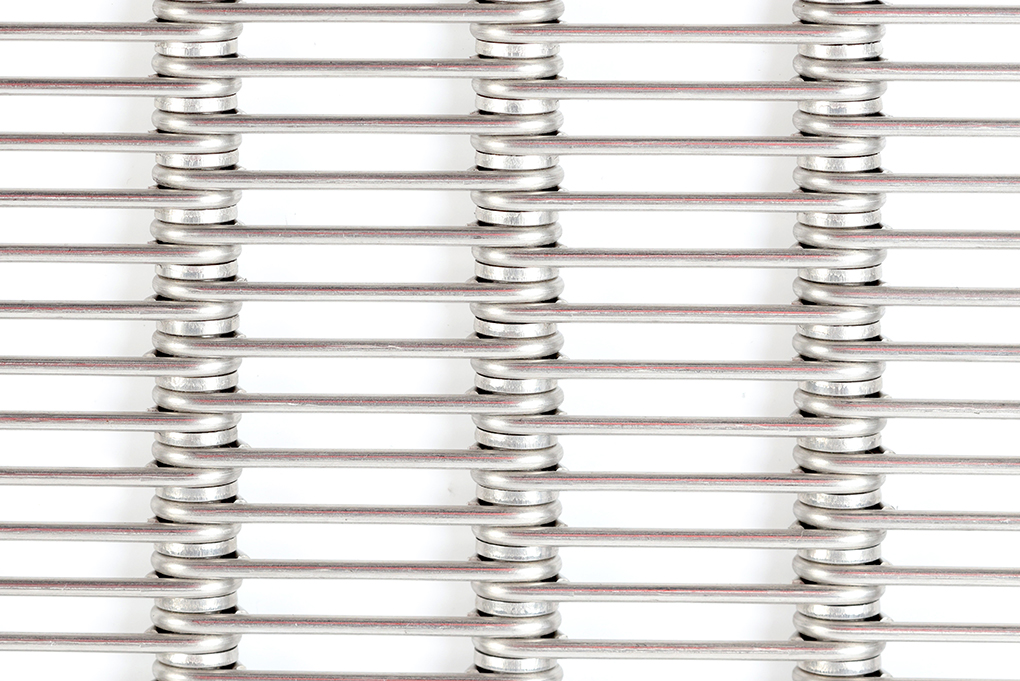
The belt is made of densely wound spiral wire of circular profile. The spirals wound alternately on the left and right are interconnected by perpendicular transverse wires. The ends of these transverse wires are either terminated with a loop, or by bending inside the belt, or by welding. The termination method is usually chosen according to the diameters of the transverse wires, with weaker wires by a loop or by bending, with stronger wires by welding.

Use

  1. cooling belt in the confectionery and chocolate industry
  2. conveyor belt in the chemical industry
  3. cooling belt for rubber and plastic products, for glass products and hot castings, etc.

TYPE 300

Characteristics

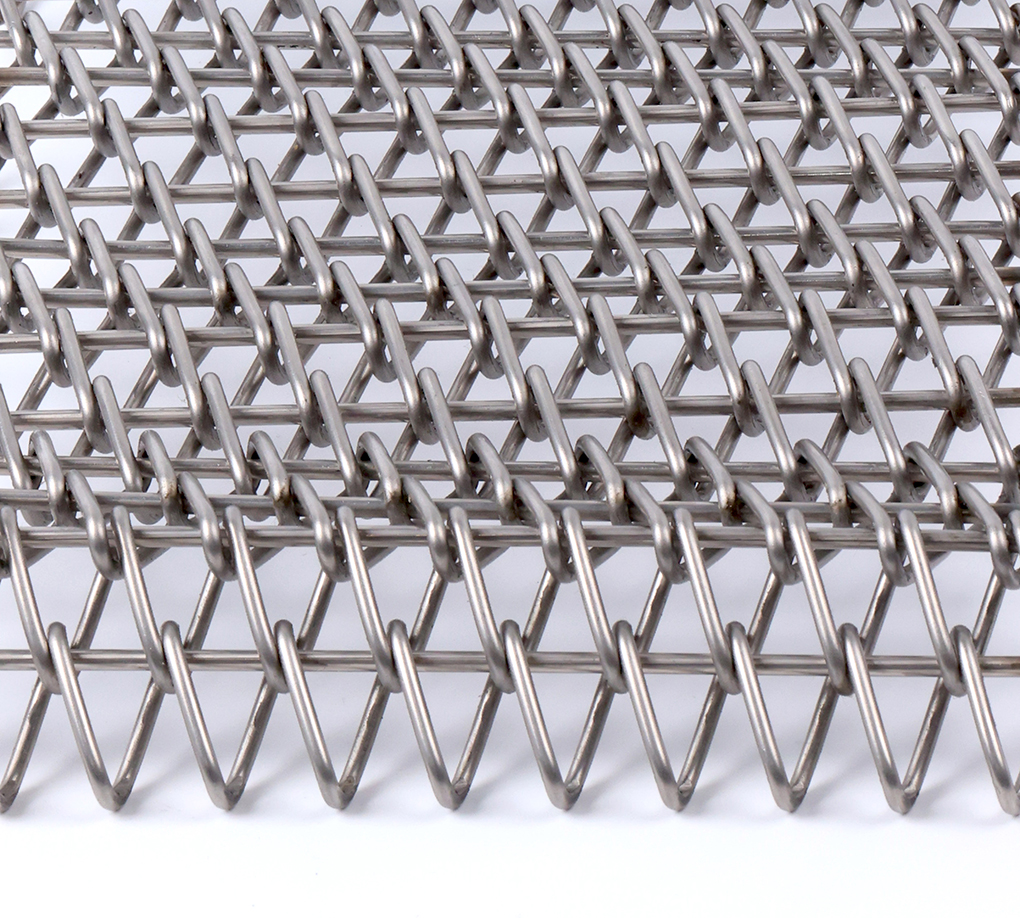
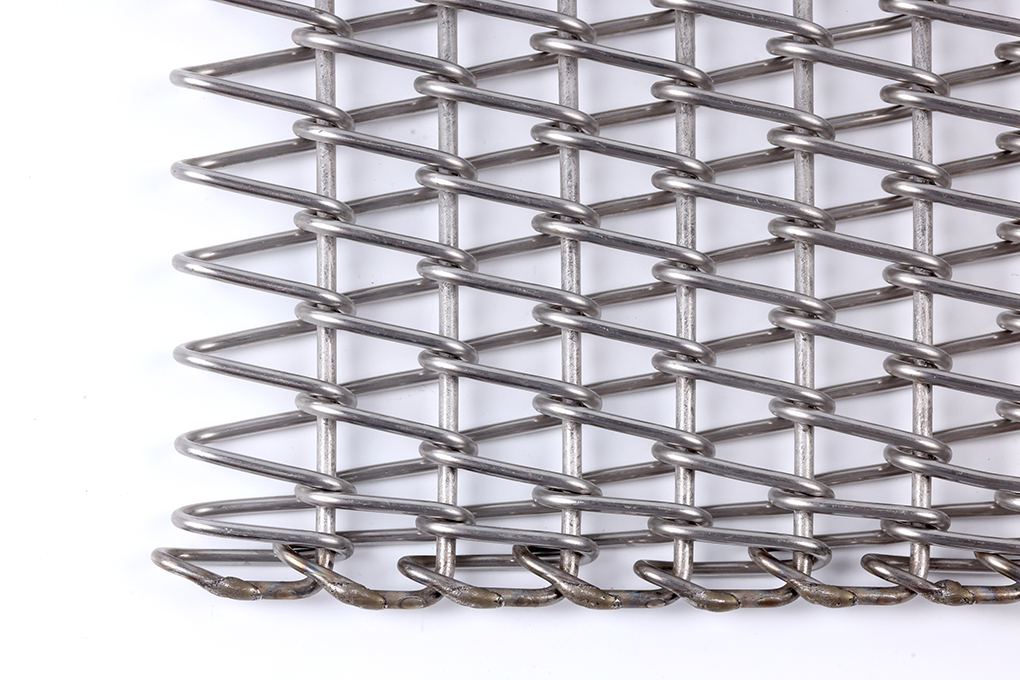
The belt is made of a wide-wound flat-profile spiral wire. Alternately left and right-wound spirals are interconnected by corrugated transverse wires. The ends of these transverse wires are either terminated by welding or by a loop. The termination method is usually selected according to the diameter of the transverse wires, for weaker wires - by a loop, for stronger wires - by welding. The corrugated transverse wires allow the original structure of the belt to be preserved after tensioning, as they prevent the spiral wires from shifting.

Use

  1. cooling belt in glass and ceramic factories
  2. conveyor belt in the confectionery and chocolate industry
  3. conveyor belt in the chemical industry
  4. washing belt in the beverage and canning industry
  5. drying belt in the wood industry, etc.

TYPE 330, 340

Characteristics

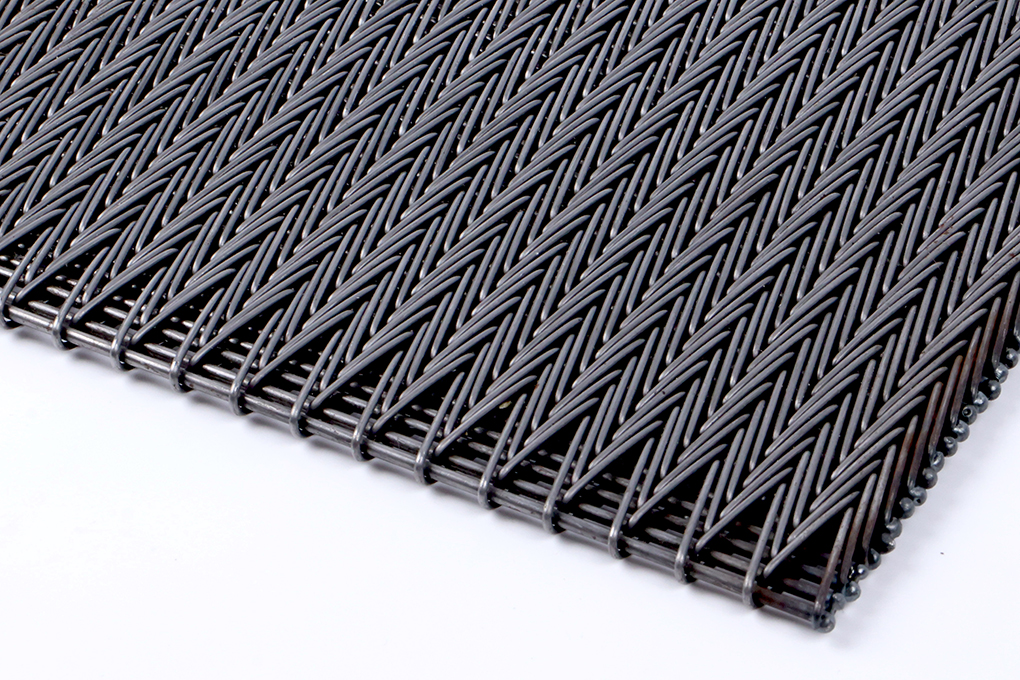
The belt is made of a wide coiled wire. To obtain maximum belt density, this type of belt is manufactured with multiple cross wires per pitch (3 or 4). The ends of these cross wires are welded. The spiral wire in this case has a flat profile. This belt is very dense and retains heat well.

Use

  1. cooling and discharge belt in glass factories
  2. conveyor belt for hardening and tempering furnaces
  3. conveyor belt in the food industry
  4. conveyor belt in the electrical and mechanical engineering industries, etc.

TYPE 400

Characteristics

The belt is made of a wide-wound spiral wire of a circular profile. The spirals, wound alternately on the left and right, are interconnected by corrugated transverse wires. The ends of these transverse wires are either terminated by welding or by a loop. The termination method is usually chosen according to the diameter of the transverse wires, with weaker wires by a loop, with stronger wires by welding. The corrugated transverse wires allow the original structure of the belt to be preserved after tensioning, as they prevent the spiral wires from shifting.

Use

  1. cooling belt in glass and ceramic factories
  2. conveyor belt in the confectionery and chocolate industry
  3. conveyor belt in the chemical industry
  4. washing belt in the beverage and canning industry
  5. drying belt in the wood industry
  6. conveyor belt in packages when wrapping in foil, etc.

TYPE 402

Characteristics

The belt is made of a wide-wound spiral wire of a circular profile. The spirals, which are wound alternately on the left and right, are however doubled to achieve maximum belt density and are interconnected by corrugated transverse wires. The ends of these transverse wires are welded. This belt is very dense and retains heat well. In addition, the doubled spiral wires prevent the spiral wires from shifting and increase the tensile strength of the belt.

Use

As a belt for furnaces for hardening, annealing, or brazing.

TYPE 430, 440

Characteristics

The belt is made of a wide coiled wire. To obtain the maximum density of the belt, this type of belt is manufactured with the number of transverse wires per pitch (3 or 4). The ends of these transverse wires are terminated with a weld. The spiral wire in this case has a circular profile. This belt is very dense and retains heat well.

Use

  1. cooling and discharge belt in glass factories
  2. conveyor belt for hardening and tempering furnaces
  3. conveyor belt in the food industry
  4. conveyor belt in the electrical and mechanical engineering industries, etc.

TYPE 500, 502

Characteristics

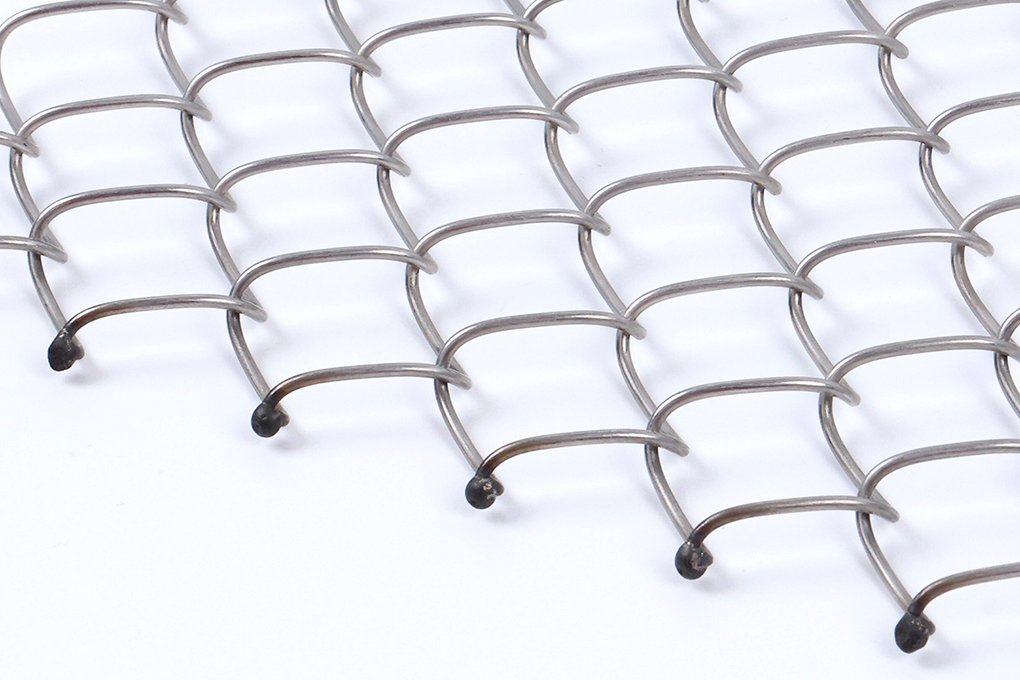
The belt is made of single-sided spiral wire (either left or right). These spirals are interconnected by transverse wires terminated by welding.

Use

  1. conveyor belt in hardening and tempering furnaces
  2. further heat treatment up to temperatures of 1150 °C.


TYPE 550

Characteristics

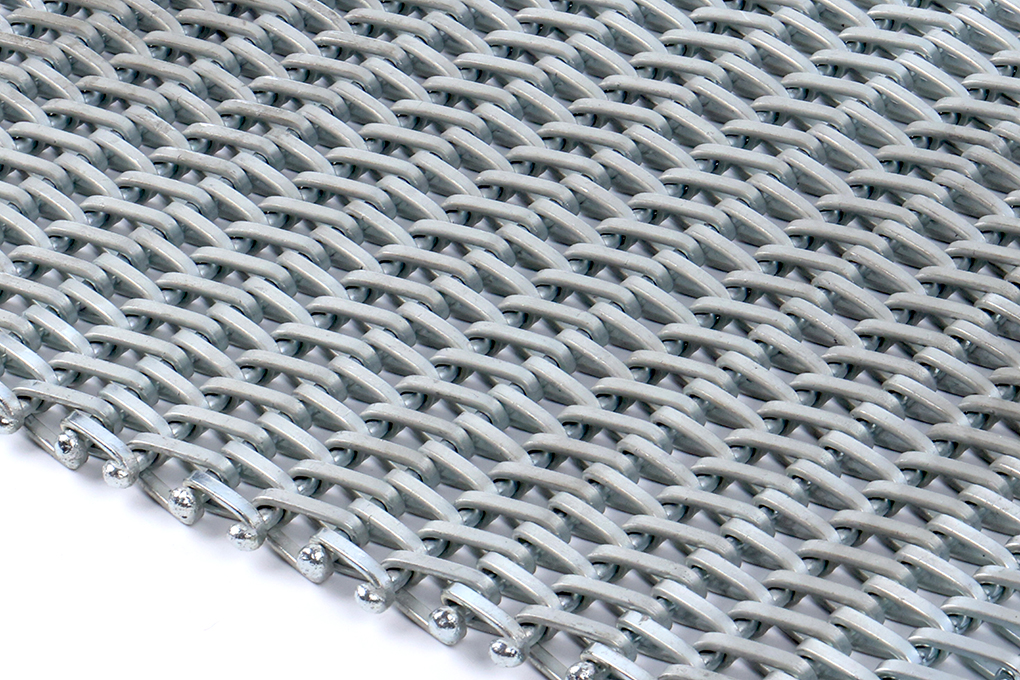
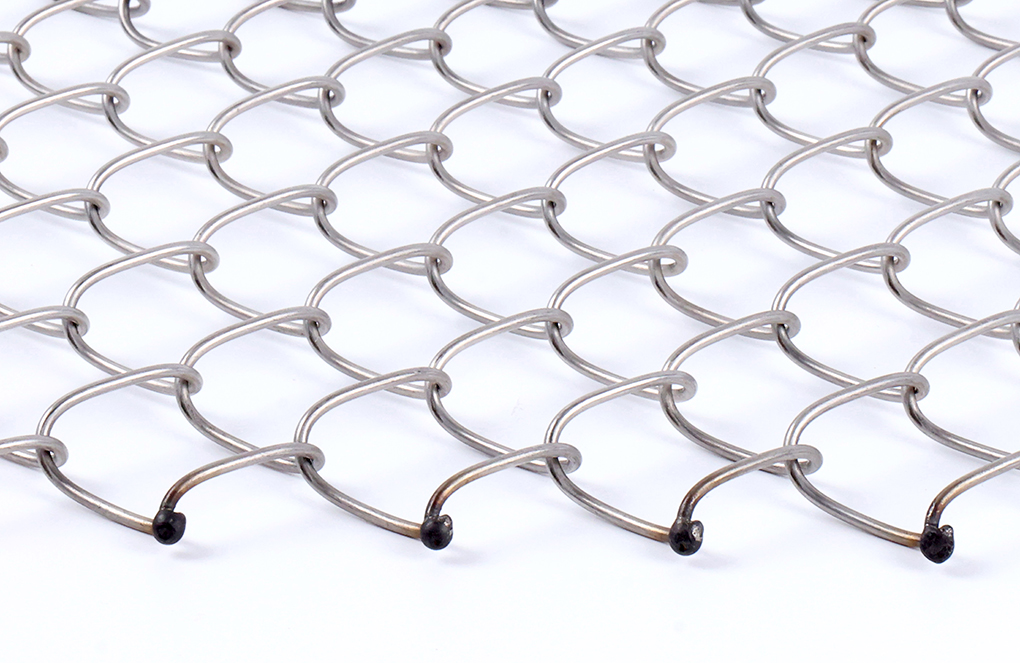
This type of belt is the simplest version of a braided metal belt. The belt is made of single-sided spiral wires (either left or right) that are intertwined with each other. The belt edge is made by welding or bending.

Use

  1. washing belt in the beverage and canning industry or for label dispensing
  2. conveyor belt in packages when wrapping in foil - but usually it must be supported by another, thicker belt
  3. metal barrier at lifting platforms to prevent people from entering
  4. intermediate filter insert, etc.


TYPE 550 special Z-Belt

Special belt for baking small sweet and savory pastries (biscuits, cookies, snacks ....)

Characteristics

This type of belt is similar to type 550, with the difference that the belt spirals are pressed on it. This achieves high strength and rigidity. The belt is made of single-sided wound spiral wires, which are then intertwined and pressed together. The edge of the belt is welded. The belt is also known as Rolled Baking Oven Belt. Belt features: Low belt weight, large free area, possibility of automatic CLEANBELT cleaning device, straight belt running.

Use

  1. For the baking process, as a baking belt for the production of sweet and savory pastries.

TYPE 600

Characteristics

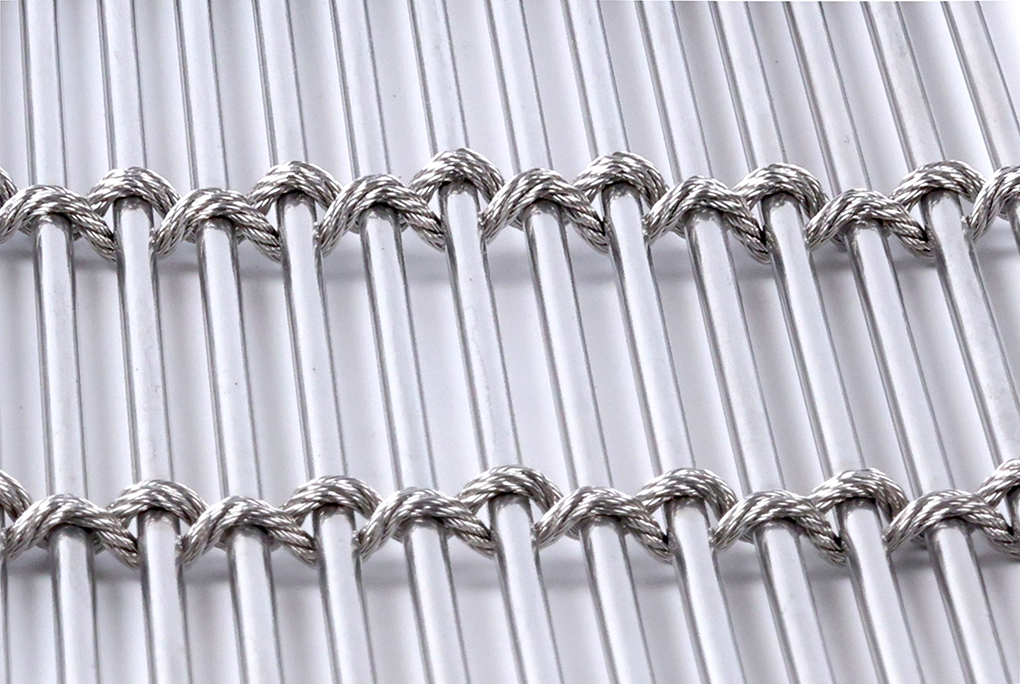
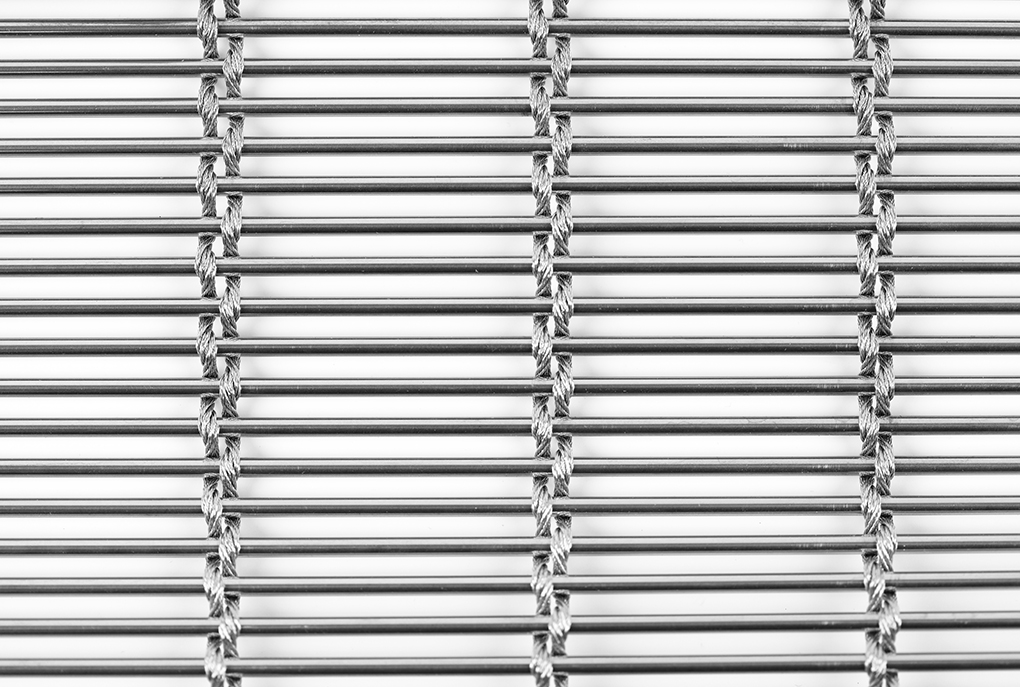
The belt is made of transverse wires, which are alternately intertwined with steel cables in the direction of belt movement. The transverse wires can be straight or openwork. At the edge of the belt, the wires are either bent or welded together.

Use

  1. washing or drying belt in the food industry, mainly for drying fruits and vegetables
  2. drainage belt in the sugar industry
  3. drying belt in the chemical and ceramic industries, etc.

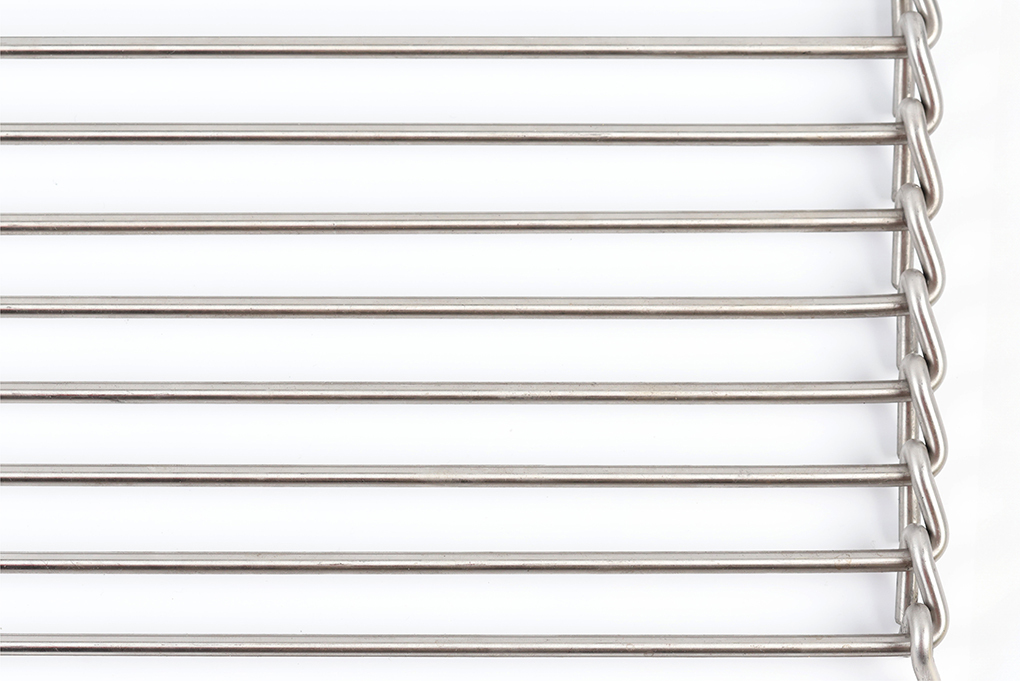
TYPE 700

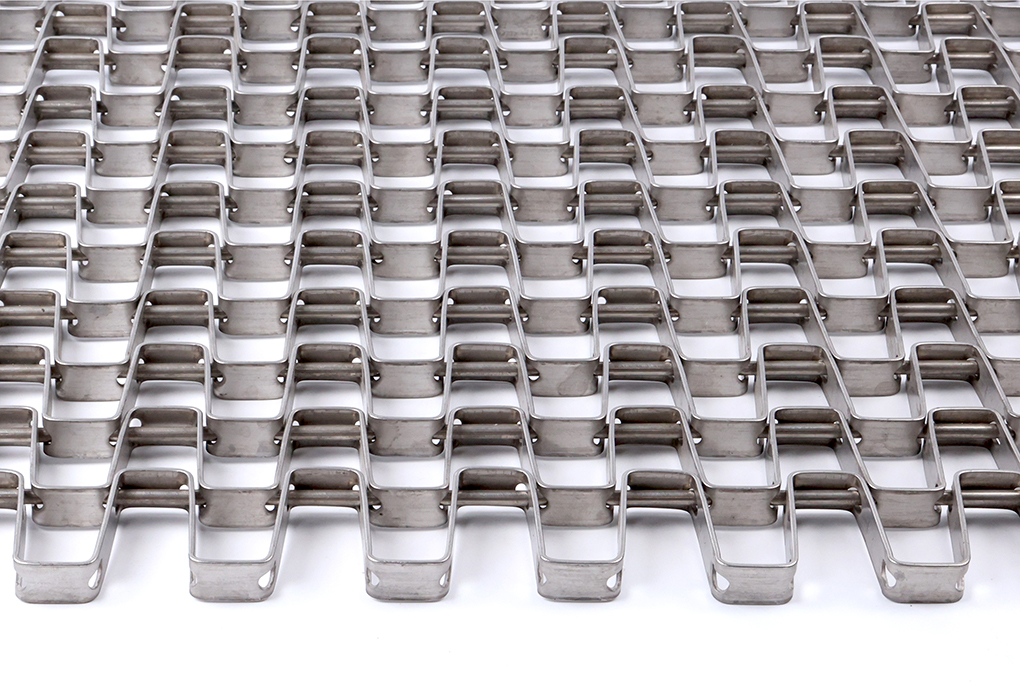
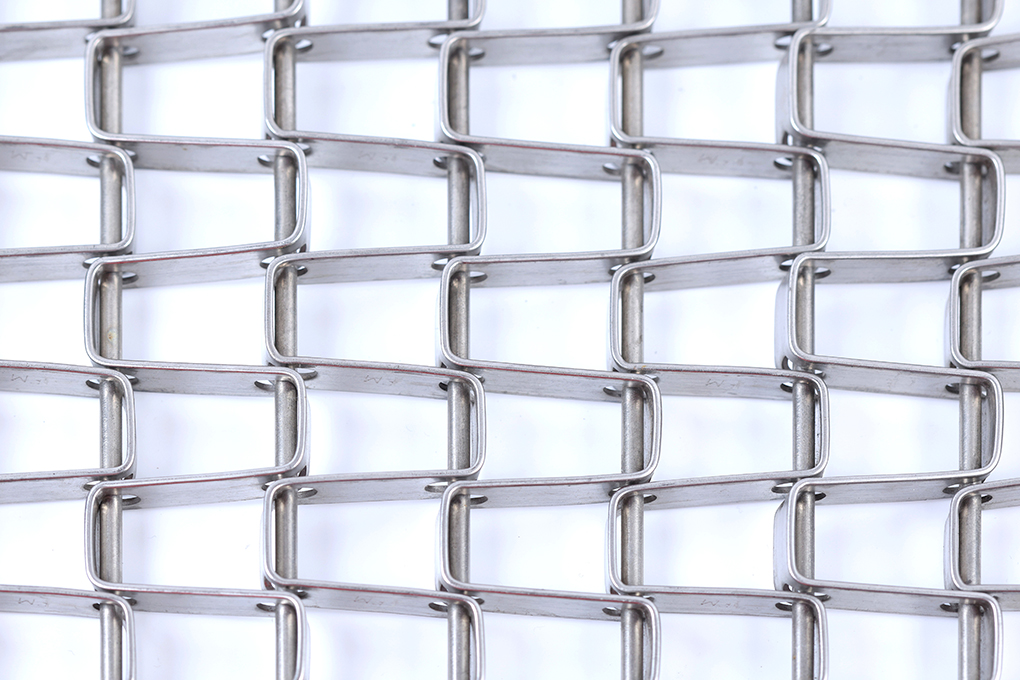
Characteristics

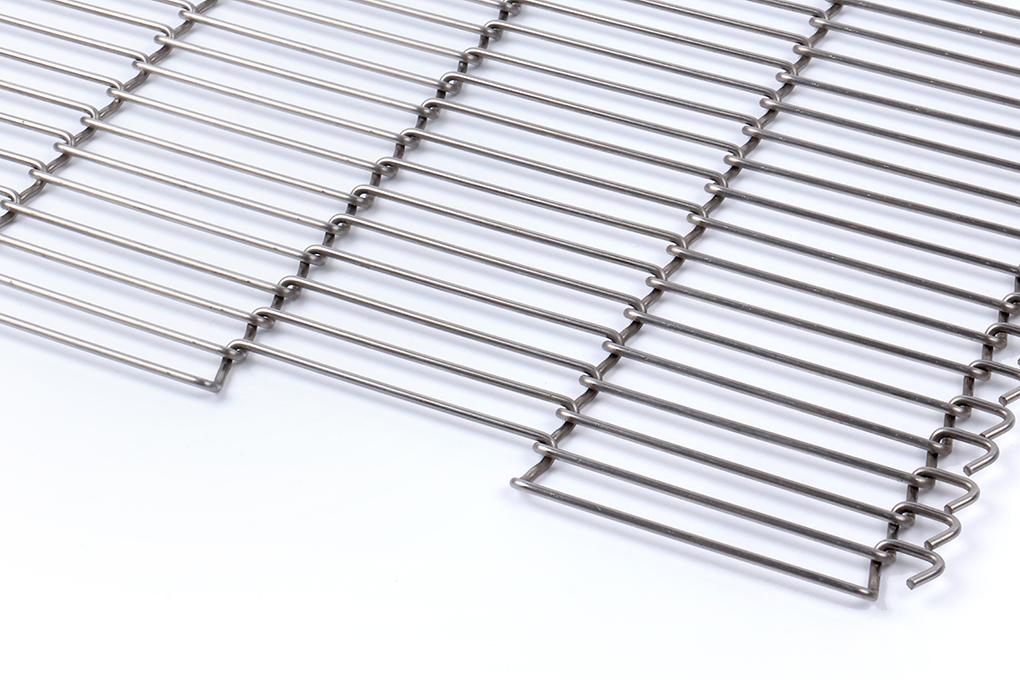
The belt is made of regularly bent wires that are intertwined with each other. The wires are bent not only in the horizontal direction, but also in the vertical, so they have the possibility of good bending even on a small transition edge, but only in one direction. If the belt is installed incorrectly, this can lead to permanent deformation and damage to the belt. The wires end in a loop at the edge of the belt. At the customer's request, we can supply connecting tubes as well as drive wheels to the belt.

Use

  1. baking and drying belt in the food industry, especially in the bakery, confectionery and chocolate industry
  2. conveyor belt in the chemical and engineering industries
  3. conveyor belt in packages when wrapping in foil, etc.

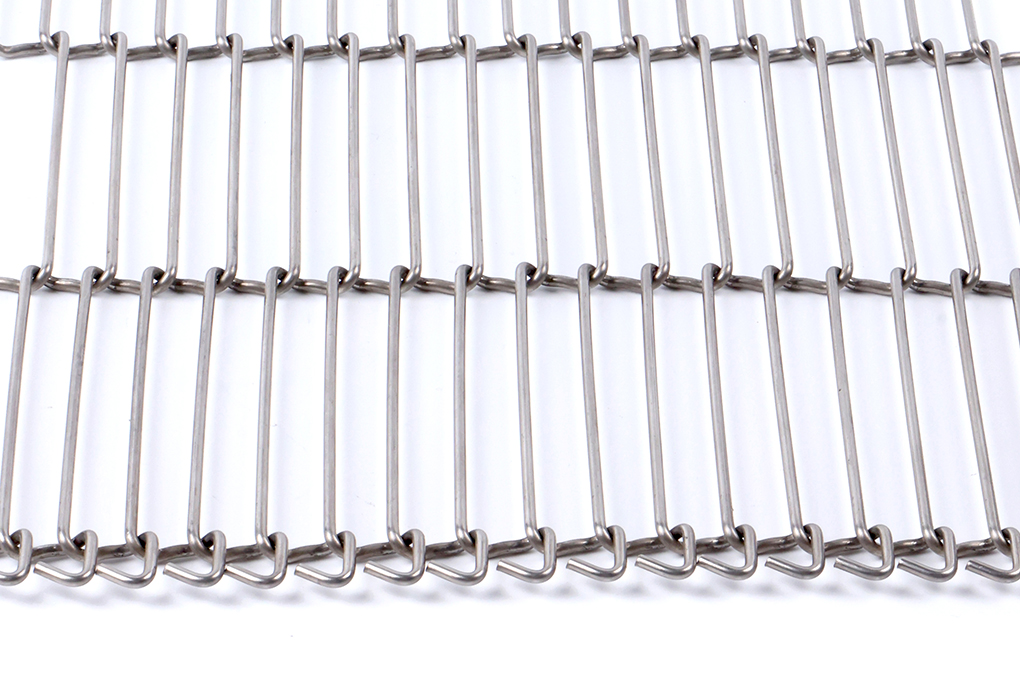
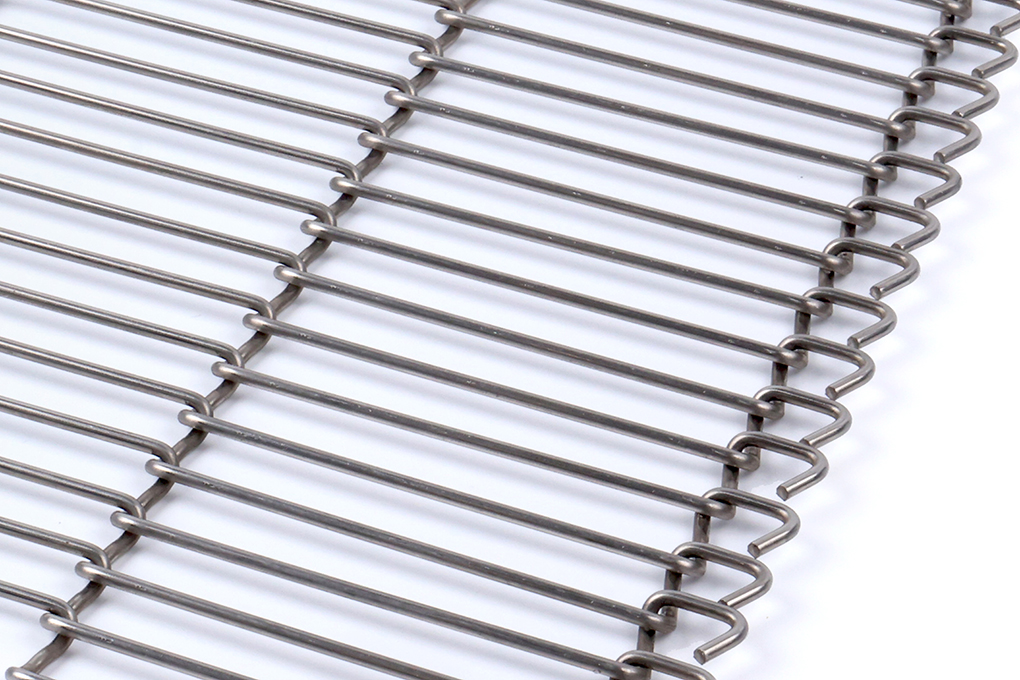
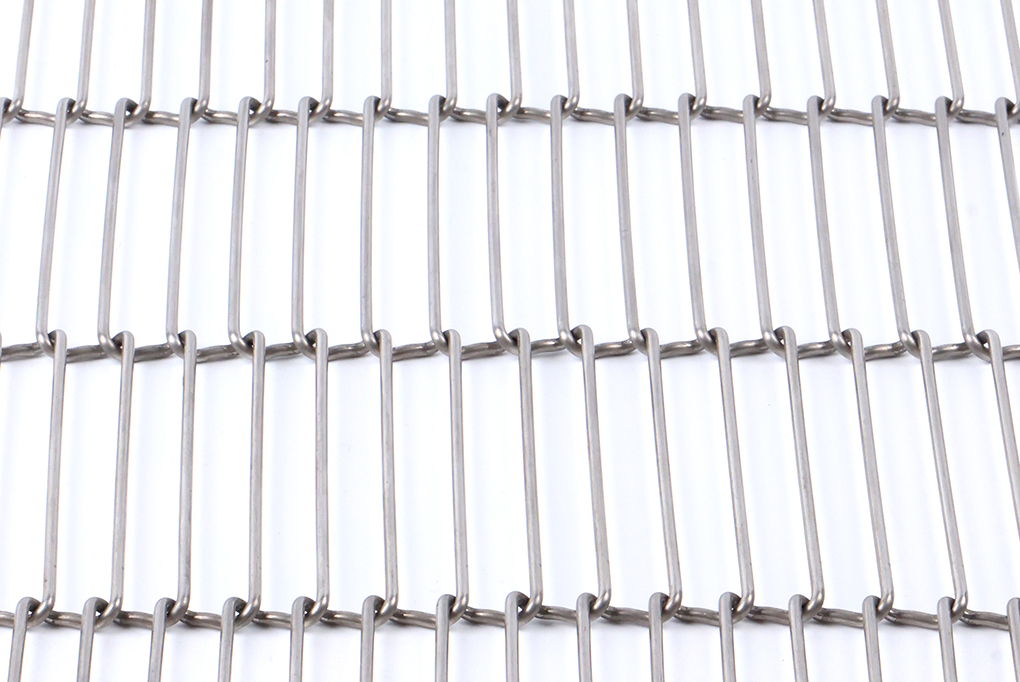
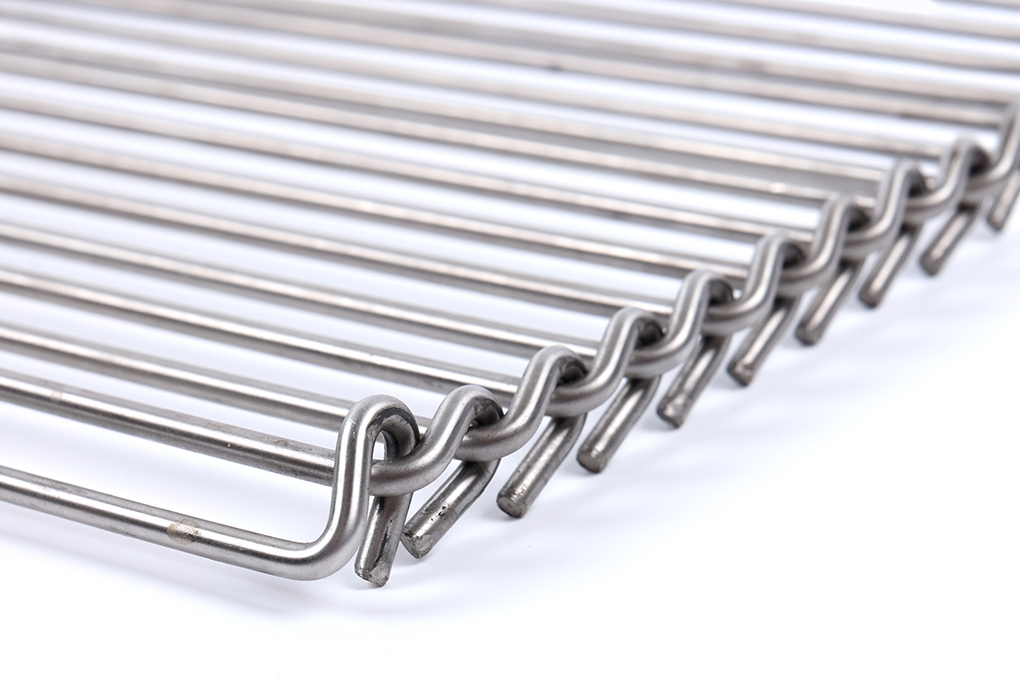
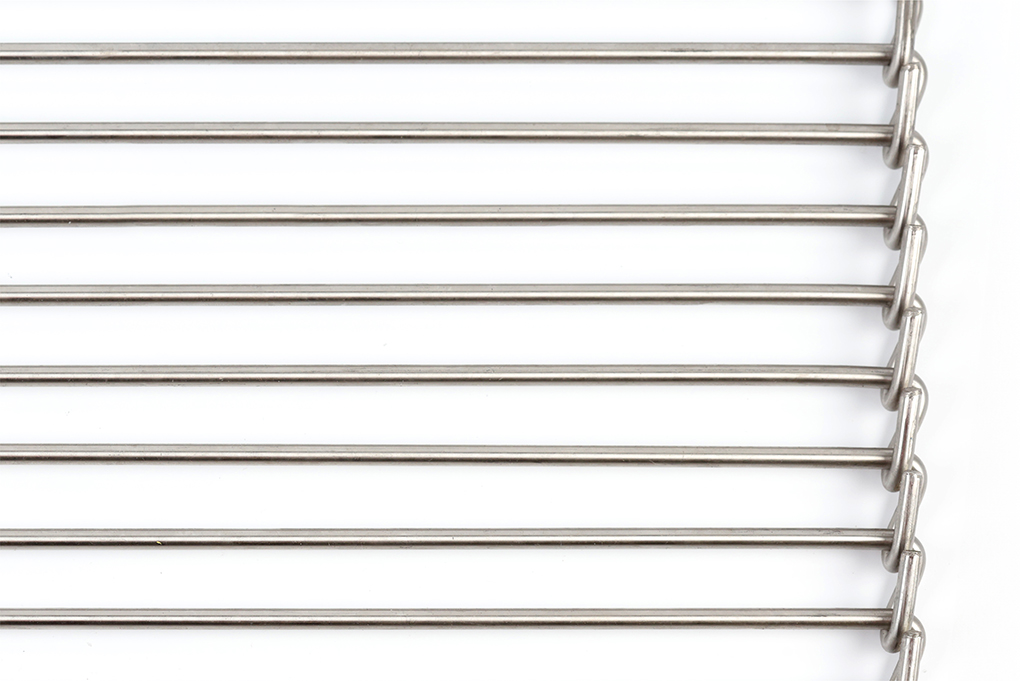
TYPE 750

Characteristics

The belt is made of straight wires that are intertwined with each other. At the edge of the belt, the wires end in a loop.

Use

  1. cooling belt in the bakery and confectionery industry
  2. conveyor belt in the chemical and engineering industries
  3. conveyor belt in packages when wrapping in foil, etc.

Technical data

Wire spacing: 15.20 - 61.10 mm.
Rod diameter: 4.00 - 8.00 mm.
Mesh size: 200.00 - 600.00 mm.
Standard materials: polished steel, stainless steel.
Working temperature: up to 350 °C.
Edge finishing: with a loop (S).

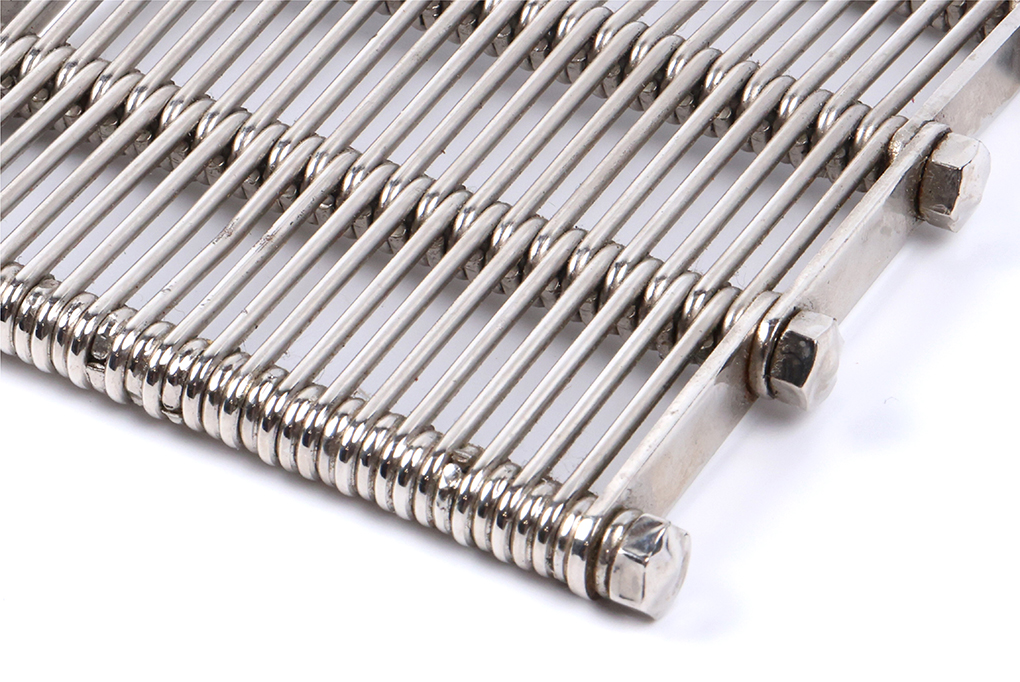
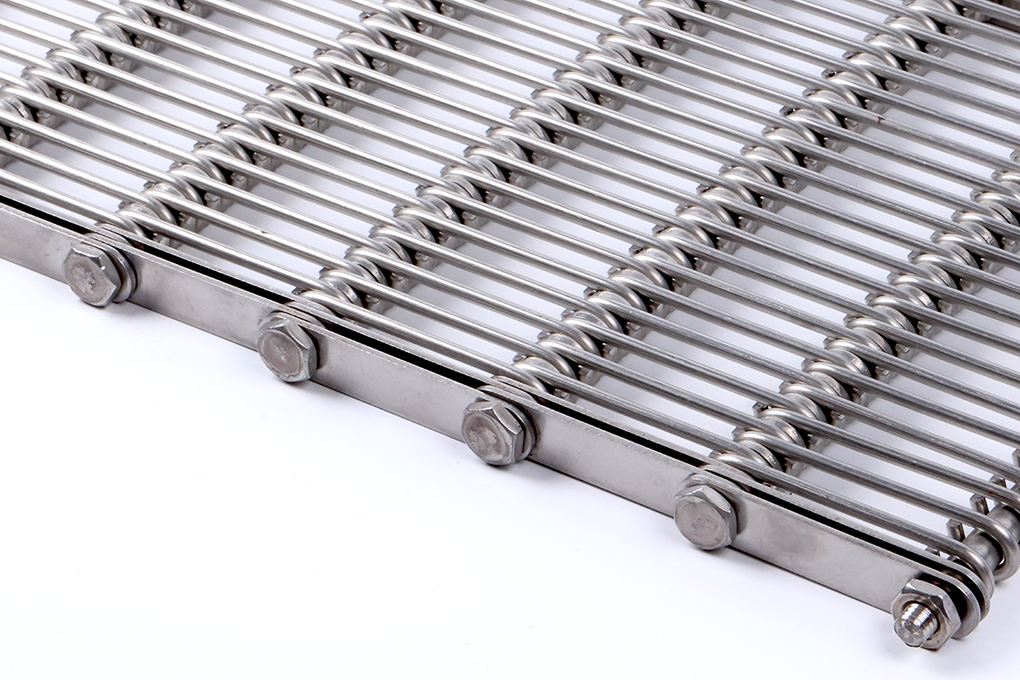
TYPE 800

Characteristics

The belt is made of transverse wires on which short longitudinal wires are strung in the required density, terminated on both sides by a loop. The density of the belt is determined by the distance between the individual longitudinal wires. The distance is defined and the belt is reinforced by welding additional transverse wires onto the longitudinal wires. To reinforce the belt, flat steel slats are inserted at the edges and inside the belt. The ends of the transverse wires are either threaded with a nut or welded. At the customer's request, drive wheels can also be included in the delivery.

Use

  1. baking and drying belt in the food industry, especially in the bakery, confectionery and chocolate industry
  2. conveyor and washing belt in the chemical and mechanical engineering industry
  3. cooling belt for rubber and plastic products
  4. conveyor belt in packages when wrapping in foil, etc.

TYPE 900

Characteristics

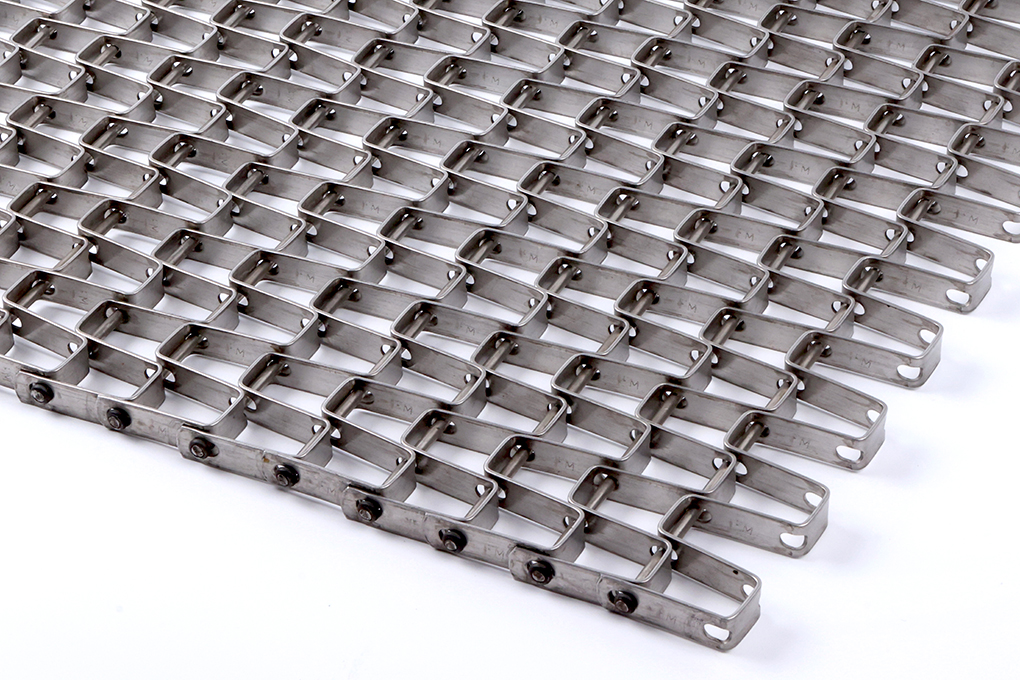
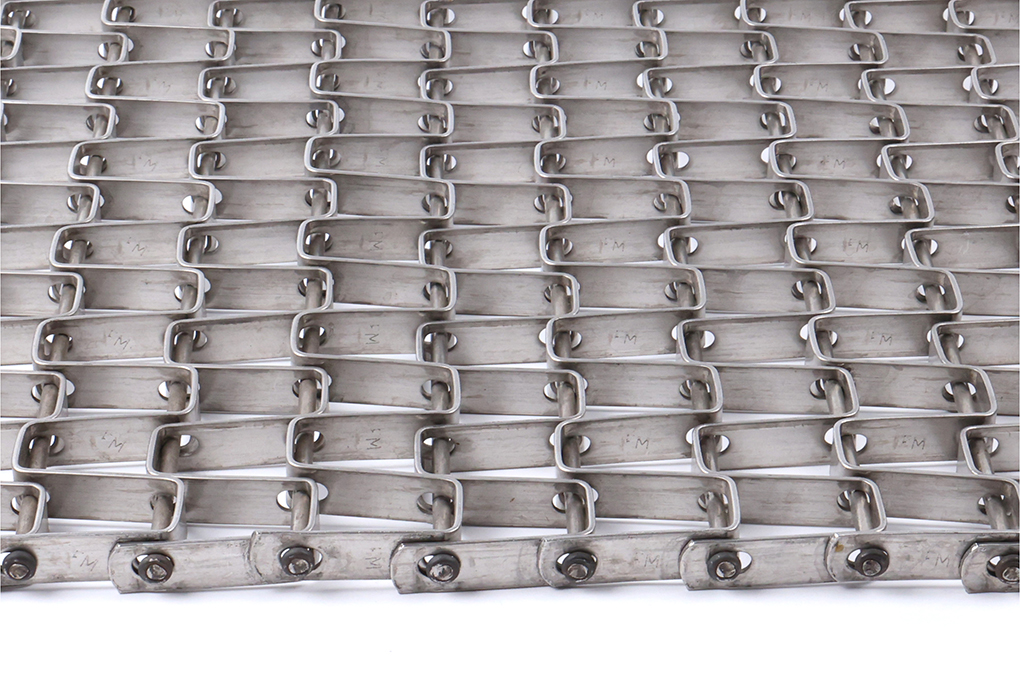
The belt is made of transverse wires on which various bent profiles of flat steel are strung, which determine the size of the mesh. The ends of the transverse wires are finished with a weld. The belt delivery also includes drive wheels at the customer's request.

Use

  1. drying belt in the food industry
  2. conveyor and washing belt in the chemical and engineering industry
  3. cooling belt for rubber and plastic products
  4. conveyor belt in packages when wrapping in foil, etc.

TYPE 1000

Characteristics

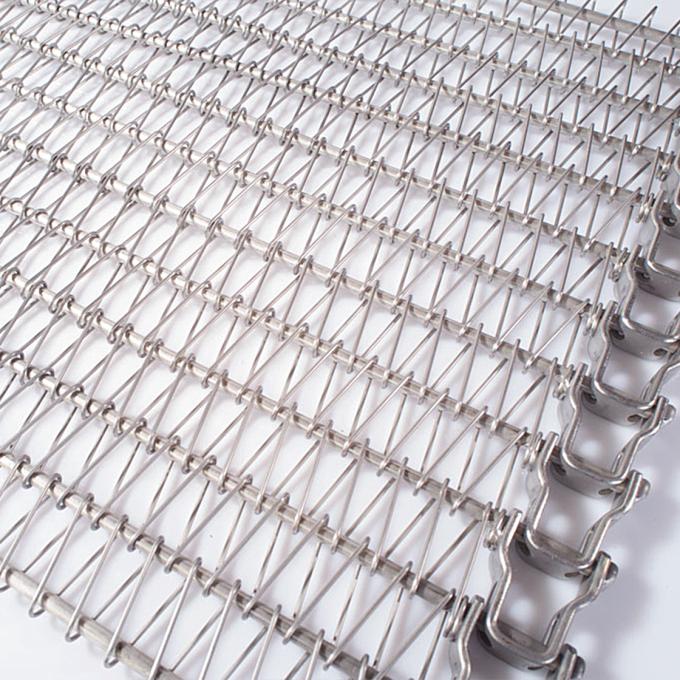
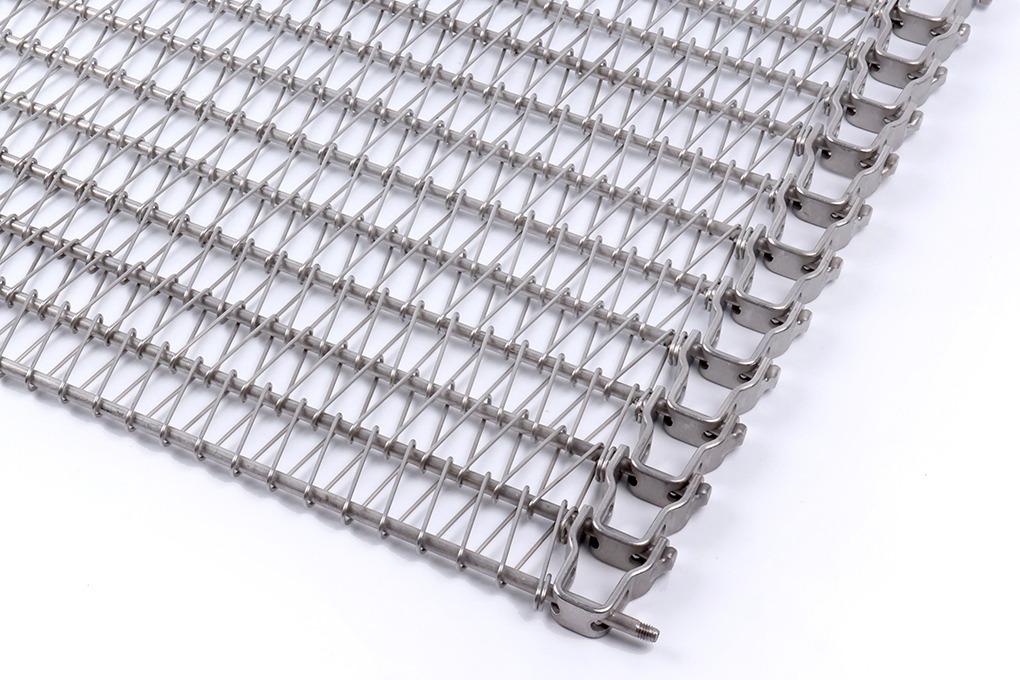
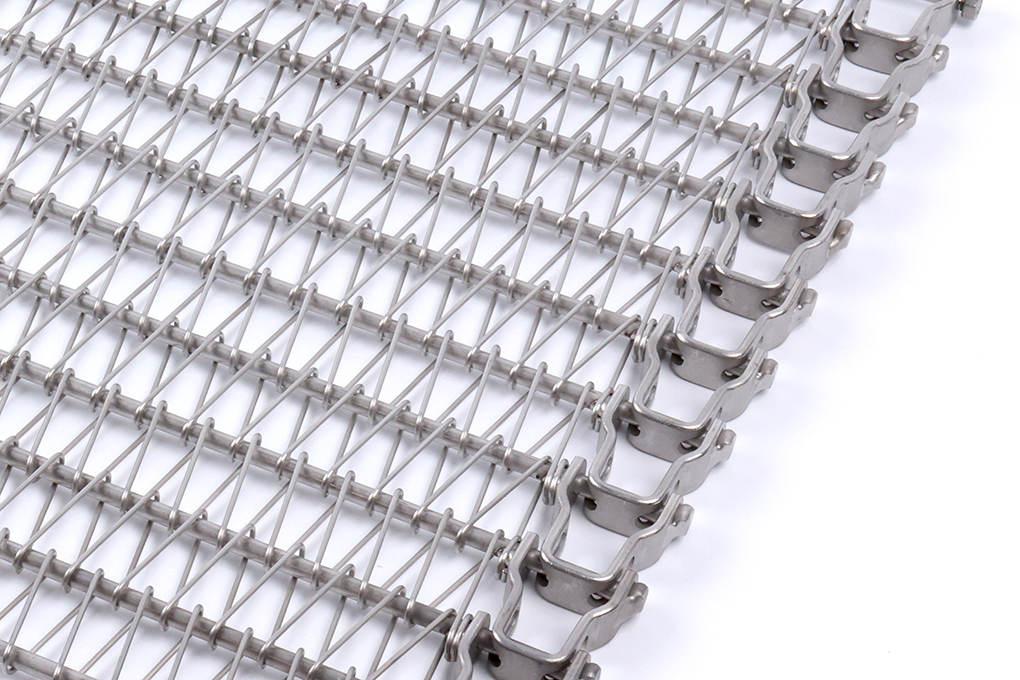
This belt is made in such a way that it can also move around a curve using a special guide. This is made possible by a loosely placed cross wire, which can create a different spacing in this way. Special eyelets for the gear wheels are threaded and welded onto the end of each cross wire. There may or may not be spiral wires between the cross wires. Drive wheels can also be included on request.

Use

  1. spiral belt for freezing and cooling tunnels
  2. conveyor belt in the confectionery and chocolate industry
  3. cooling belt in bakeries
  4. conveyor belt in the chemical industry
  5. carrier belt in special drying rooms
  6. conveyor belt for special unloading towers in ports and airports, etc.

Advice and consultations

How to choose the right product?
If you need advice, don't hesitate to ask! We will answer your questions and help you
with every step in the selection of materials and the implementation of projects.

  • we will provide technical information and documentation

  • we will advise on the correct selection and use of materials

  • we will provide a technical solution

  • consultations on the application and suitability of our products

Get in touch with our experts

Form error icon
Form error icon
Form error icon
Form error icon
Form error icon
Form error icon
}